When Your Home Breathes with the World Outside
There is something quietly powerful about walking into a space that feels deeply rooted in its surroundings. Nature immersed homes are redefining what modern living can look and feel like, moving far beyond simple decoration into full architectural harmony with the landscape. At Zendecora, we share inspiration for modern home decor ideas and interior styling trends, with no products or services involved. These ideas invite forests, mountains, rivers, and gardens to become part of everyday life. When thoughtfully designed, a home stops feeling like a shelter and starts feeling like an extension of the living world around it.
Living Rooms That Open Directly Into Forest Scenery
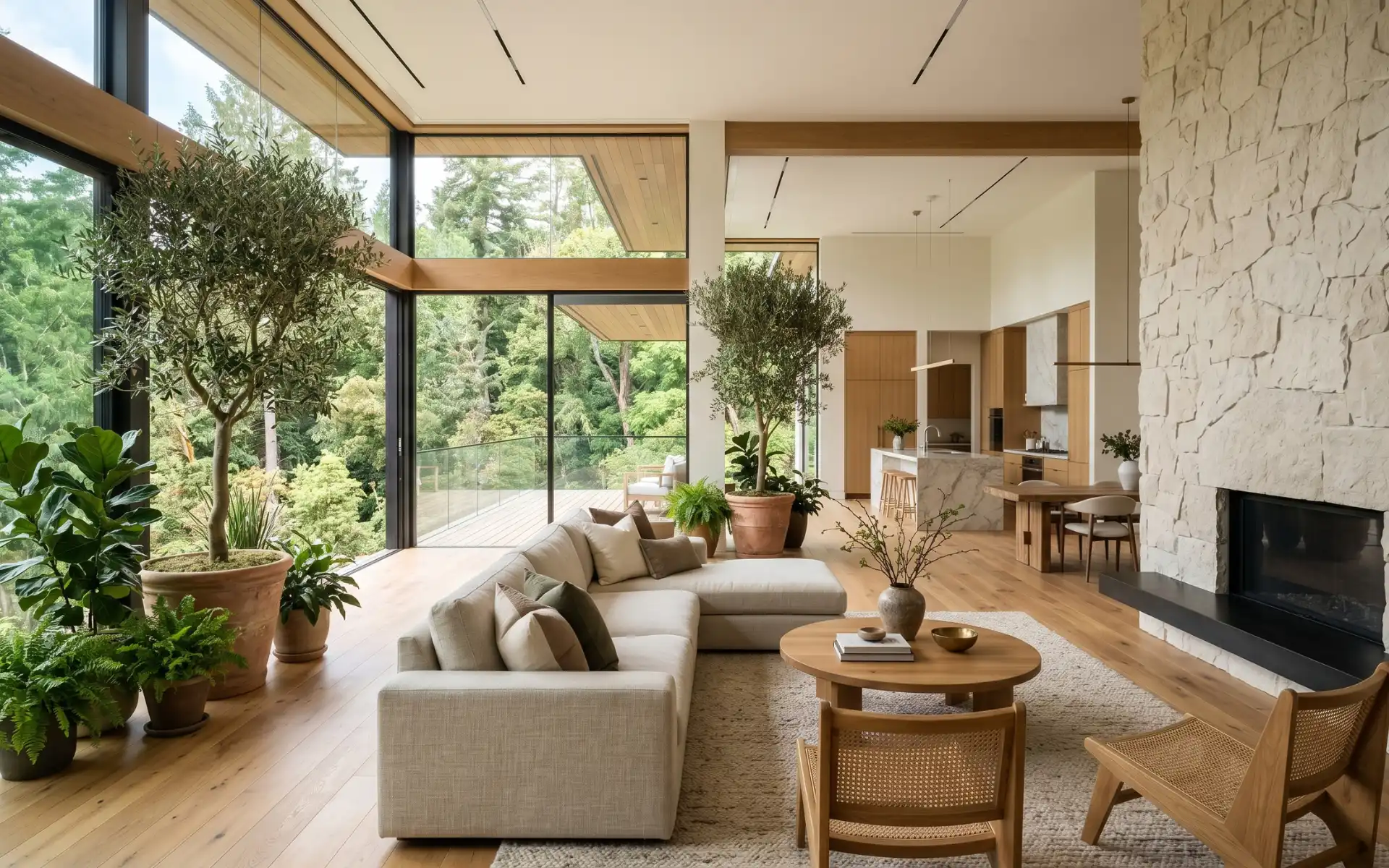
A living room designed around a forest view completely transforms how a home feels from the inside out. Walls of glass replace solid barriers, and the canopy becomes the primary visual feature of the room. Organic modern furniture in warm linen, oak, and textured stone grounds the space without competing with the landscape. Low profile sofas face outward intentionally. Layered greenery inside the room mirrors the trees beyond. This kind of design makes the boundary between shelter and wilderness feel deliberately blurred in the most beautiful and inviting way possible.
Floor to Ceiling Windows That Frame the Natural World
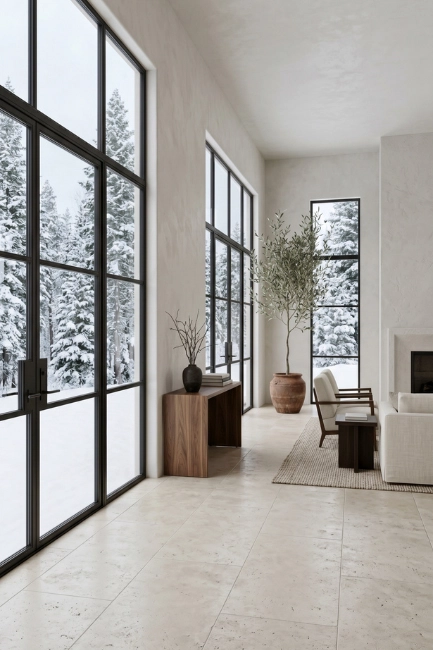
Few architectural choices are as transformative as replacing a solid wall with continuous glass. Floor to ceiling windows do not simply let light in. They bring the entire outdoor environment into conversation with the interior. This approach is treated as a structural design priority rather than an afterthought. The surrounding landscape becomes dynamic visual art that shifts with seasons, weather, and time of day. Frames of black steel or warm timber give the windows architectural presence while keeping the focus entirely on the breathtaking view beyond.
Courtyard Centered Layouts That Bring the Outside In
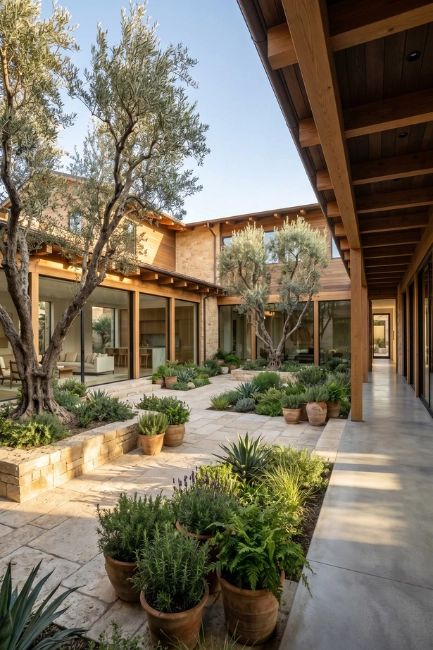
Homes built around a central courtyard offer one of the most immersive relationships between architecture and nature. Every room faces inward toward a private garden, creating a visual and sensory connection with the landscape from multiple angles. This layout encourages a calm rhythm of daily life where greenery, light, and open air are always visible. Stone pathways, mature trees, and sculptural planting arrangements make the courtyard feel like a living room without walls. Interior spaces feel brighter, quieter, and more intentional when designed around this kind of natural center.
Organic Modern Interiors Built on Natural Material Foundations
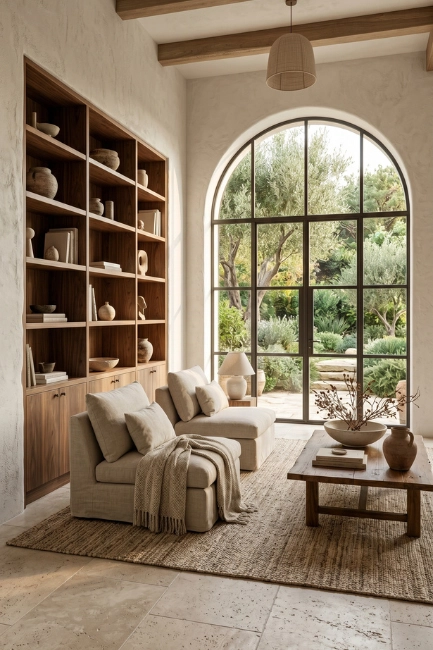
The foundation of organic modern design lies in the honest use of natural materials. Travertine floors, rough textured plaster walls, walnut cabinetry, and woven linen textiles create a layered warmth that no synthetic surface can replicate. These materials do not simply look beautiful. They age gracefully and respond to natural light in ways that feel alive. When paired with architectural openings that frame garden or landscape views, organic modern interiors create spaces that feel simultaneously refined and deeply connected to the earth. Nature immersed home that commit to this material palette feel genuinely timeless.
Mountain Retreat Aesthetics Brought Into Residential Design
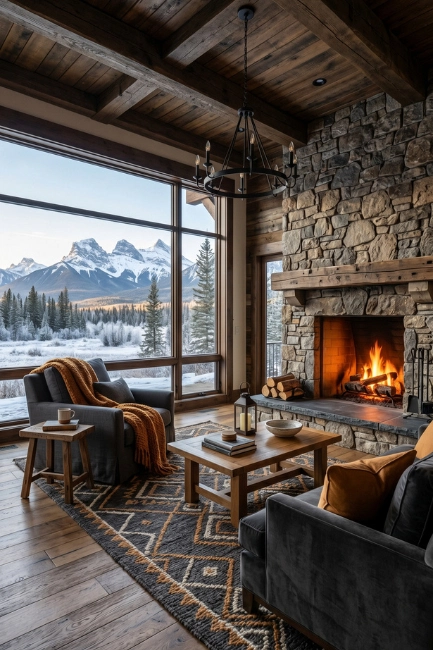
Mountain inspired interiors carry a distinct sense of elevation, stillness, and strength. Stone feature walls, exposed timber beams, and deep earthy tones anchor these spaces in the raw beauty of highland landscapes. Large picture windows frame peak views or pine covered ridges, making the scenery an essential design element rather than a backdrop. In nature immersed homes shaped by a mountain aesthetic, fireplaces become sculptural focal points and textured wool throws add tactile warmth. The overall effect is a space that feels powerful, grounded, and quietly luxurious throughout every season.
Lakeside Home Interiors Designed Around Water and Reflection
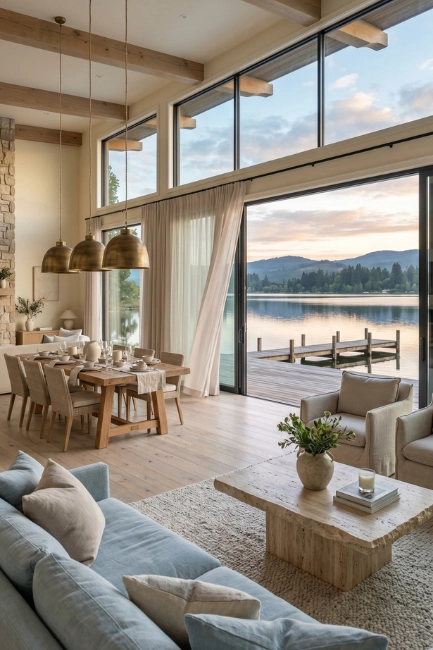
Proximity to water brings a particular quality of light into a home. Reflections ripple across ceilings in the morning. The color palette softens into blues, greens, and pale silvers. Lakeside inspired interiors embrace this relationship fully by using natural materials like driftwood, linen, limestone, and aged brass that feel perfectly at ease beside water. Open plan layouts allow lake views to travel through multiple rooms simultaneously. These looks positioned near water feel especially restorative because the landscape is never static. Light, color, and reflection change constantly, making the view endlessly engaging.
Biophilic Design Principles Applied Across the Whole Home
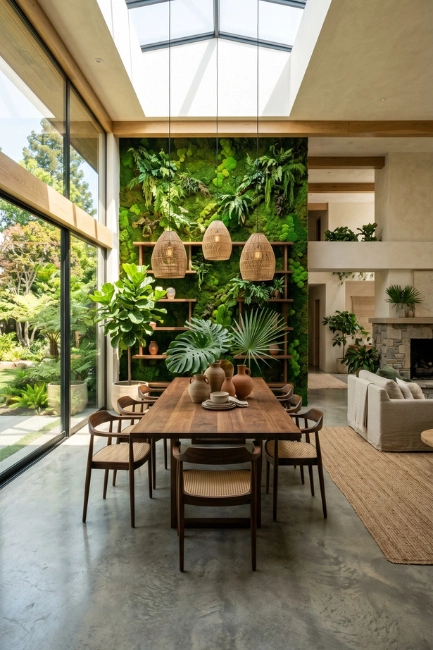
Biophilic design is the architectural language of connection between human environments and the natural world. When applied thoughtfully across an entire residence, it influences every decision from ceiling height to flooring material to the placement of windows. Living walls, indoor trees, natural water features, and raw stone surfaces are not decorative gestures in biophilic spaces. They are structural commitments to wellbeing, calm, and sensory richness. Nature immersed homes guided by biophilic principles consistently feel more restorative, more peaceful, and more visually layered than conventionally designed residences of any scale.
Earth Toned Palettes That Mirror the Landscape Outside
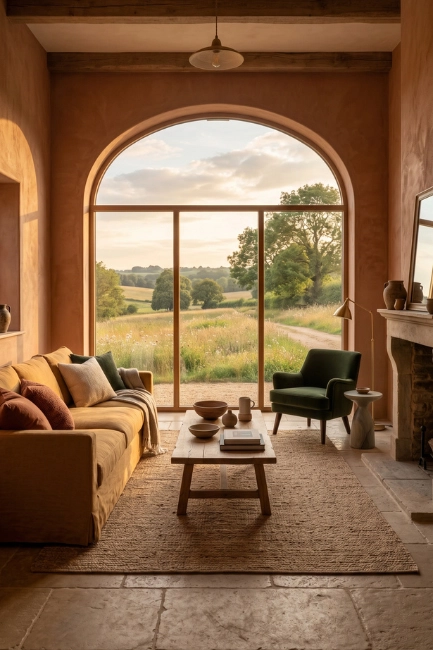
Color has the quiet power to connect an interior to its surrounding environment. Earth toned palettes built from terracotta, ochre, warm sand, clay, deep forest green, and muted stone anchor a home in its landscape. These tones shift beautifully under natural light throughout the day, creating a living quality that painted whites and cool grays cannot achieve. Nature immersed homes that commit to earthy color palettes feel continuous with the fields, forests, or hillsides visible beyond their windows. When walls, furniture, and textiles draw from the same natural spectrum, the interior and exterior become one harmonious experience.
Stone and Timber Architecture as a Design Philosophy
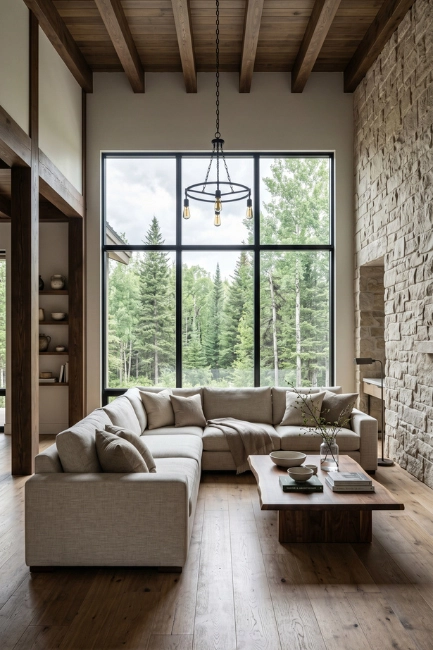
When stone and timber are treated as primary architectural expressions rather than surface finishes, a home takes on an entirely different character. Rough hewn limestone walls, exposed structural beams, and handcrafted timber joinery carry the textures and imperfections of the natural world directly into the built environment. These materials age with beauty and develop a patina that deepens over time. Spaces built from stone and timber feel rooted in their setting in a way that manufactured materials never achieve. The architecture itself becomes a direct reflection of the landscape it inhabits.
Open Concept Layouts Designed for Nature Immersed Homes
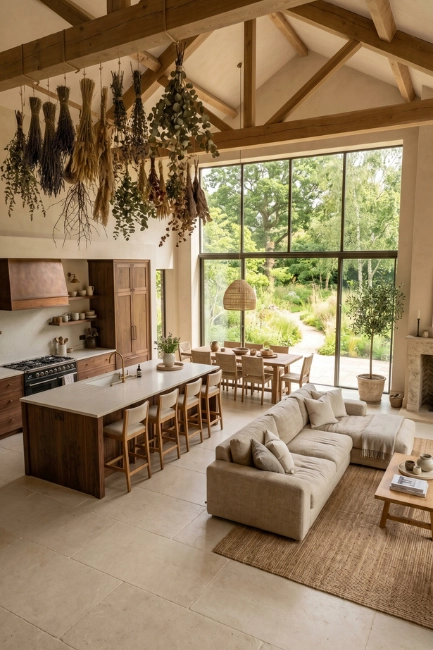
Open layouts fundamentally change the way light and landscape move through a residence. When walls between living, dining, and kitchen spaces are removed or replaced with glass, the natural world becomes a shared backdrop for every activity. In nature immersed homes, this openness is intentional and architecturally precise. Sightlines are designed so that trees, water, or sky are always visible from every functional zone. The result is a home that breathes with its surroundings rather than closing itself off from them. Even a modest floor plan can feel vast when designed around uninterrupted natural views.
Garden Integrated Homes Where Greenery Shapes Every Space
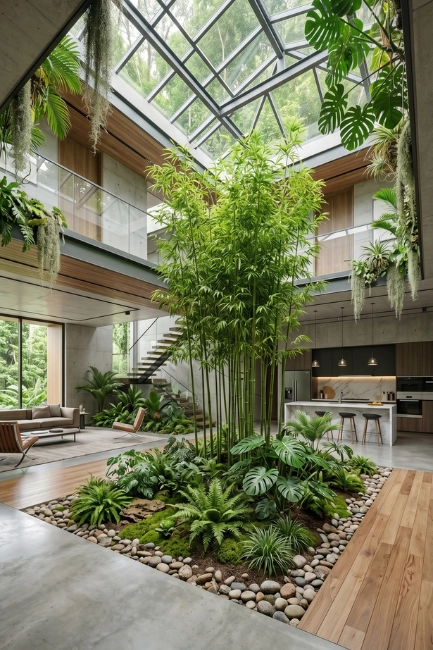
Some of the most extraordinary residential designs are those where the garden is not a separate outdoor feature but a structural part of the home itself. Interior courtyards planted with bamboo, fig trees, or tropical palms bring living greenery into the heart of the floor plan. Glass ceilings above planted atriums allow canopy light to filter down into living spaces below. Stepping stones lead from the kitchen to an outdoor dining area without any door to open. These garden integrated environments blur the boundary between cultivation and architecture in deeply inspiring and beautiful ways.
Dining Areas Framed by Scenic Natural Landscapes
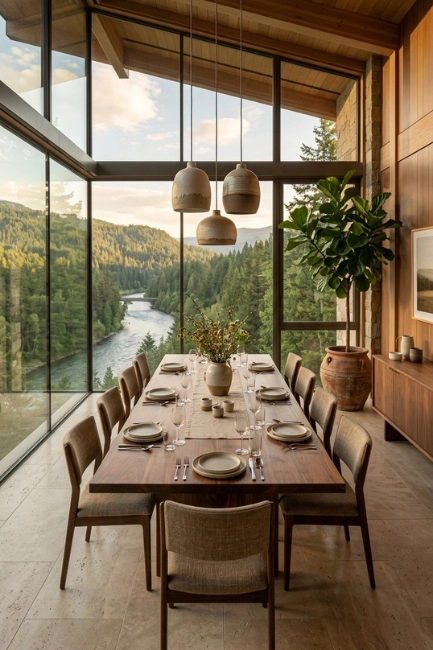
A dining space that looks out onto water, forest, or mountain scenery transforms every meal into something worth pausing for. Long timber tables placed beside panoramic windows or set within glass enclosed garden rooms give dining a contemplative quality that enclosed spaces cannot match. Natural light shifts throughout the day, making the same space feel entirely different at breakfast than it does at dusk. Hanging pendant lights in aged brass or matte ceramic add warmth without distracting from the view. The landscape becomes the most compelling and unrepeatable feature of every gathering in these remarkable spaces.
Bedrooms in Nature Immersed Homes Designed for Deep Rest
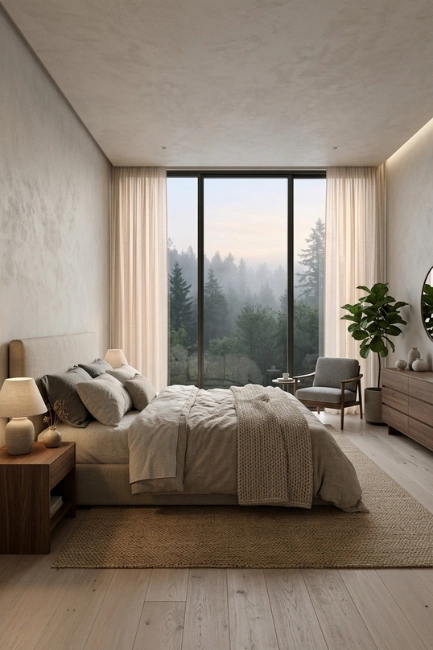
A bedroom should feel like the gentlest possible transition between sleep and the waking world. When designed with large unobstructed windows, sheer natural curtains, and a direct orientation toward trees, sky, or water, waking up becomes a genuinely restorative experience. Natural materials including linen bedding, clay lamp bases, woven throws, and timber bedside tables create a quiet sensory environment that honors rest. In nature immersed homes, bedrooms are positioned to capture first morning light and the final colors of evening, making every day feel beautifully framed by the surrounding landscape.
Sustainable Luxury Homes That Honor Their Natural Setting
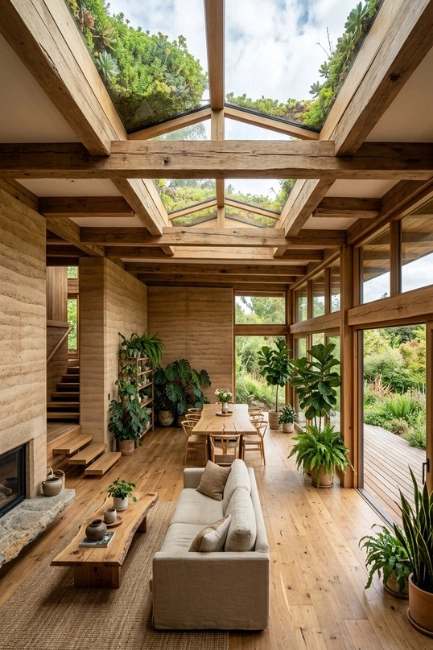
Luxury and sustainability are no longer opposing ideas. The most admired residential designs today are those that minimize their environmental footprint while maximizing connection to the surrounding landscape. Passive solar design, green roofing, rainwater systems, and natural insulation materials allow homes to exist in harmony with their ecosystems rather than in conflict with them. A green roof planted with native grasses makes a home appear to grow from the hillside. A rammed earth wall celebrates the geology of the land. The result is architecture that belongs exactly where it stands and nowhere else.
Seasonal Landscape Inspired Interiors That Evolve Naturally
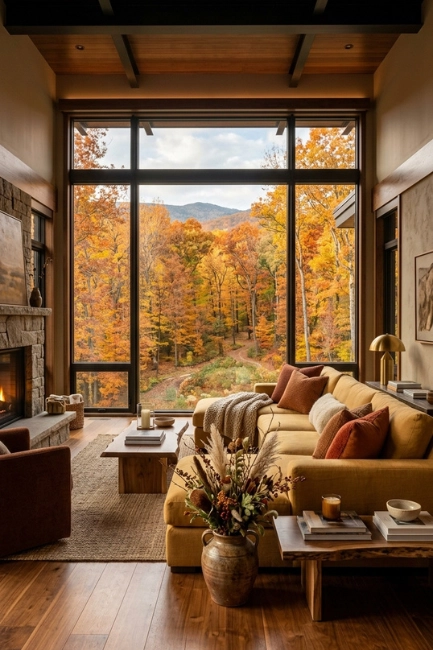
One of the most refined qualities of a well designed home is its ability to shift in atmosphere with the changing seasons. Interiors oriented toward the landscape and furnished with natural materials respond to seasonal light beautifully. A room filled with summer greenery beyond its windows feels fresh and expansive. That same room in autumn takes on warmth and depth as amber leaves replace lush foliage. Nature immersed homes that celebrate this seasonal rhythm feel alive in a way that controlled, seasonless interiors never do. Every month brings a new relationship between the interior and the world outside.
Coastal Inspired Interiors Where Light and Texture Tell the Story
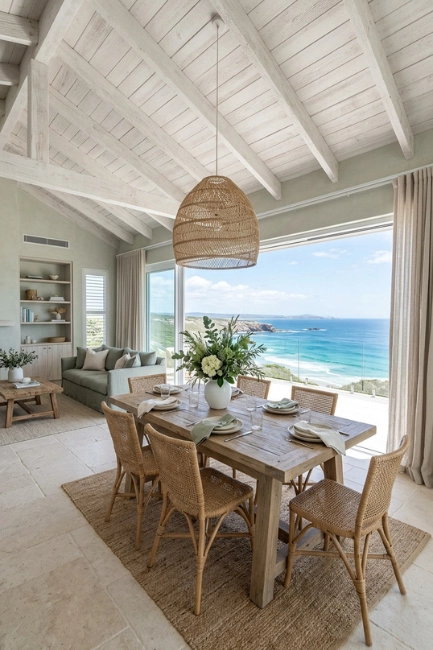
Coastal design at its finest is not about seashells or painted anchors. It is about capturing the particular quality of light that exists near the sea and translating it into an interior language. Pale limestone floors reflect morning brightness. Washed linen curtains move with ocean breezes through open doors. Textured plaster walls hold the warmth of afternoon sun in the most beautiful way. Whitewashed timber, aged rattan, and soft sage green bring the coastal palette indoors without reducing it to cliché. These spaces feel airy, luminous, and deeply connected to the water and sky surrounding them.
Desert Inspired Residential Interiors With Warmth and Drama
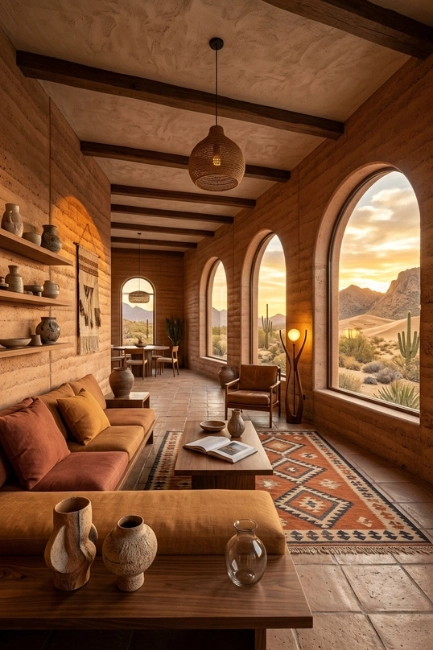
Desert architecture carries its own unmistakable visual language. Thick walls in raw adobe or rammed earth maintain cool interiors during intense heat. Roof terraces open toward vast skies. Courtyards filled with sculptural cacti and desert grasses become the defining outdoor rooms of the home. Interior palettes draw from terracotta, warm sand, deep rust, and sunset ochre. In nature immersed homes designed for desert landscapes, every material choice honors the terrain. Exposed clay tile floors, hand plastered walls, and heavy timber lintels create an architecture that is truly inseparable from its remarkable desert environment.
Retreat Style Living in the Spirit of Nature Immersed Homes
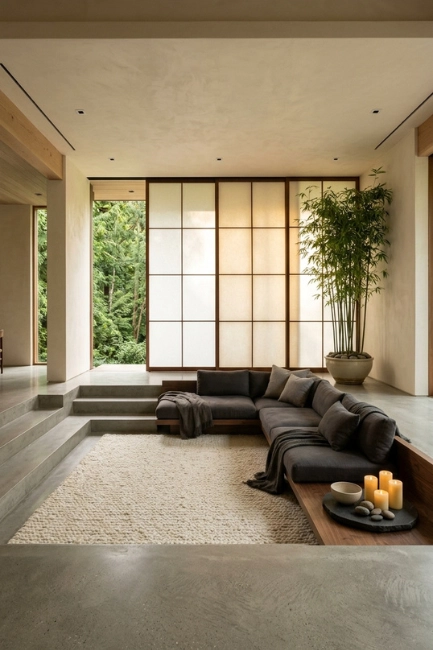
The finest residential interiors share something with the world’s most celebrated wellness retreats. They are designed not to impress but to restore. Low furniture arrangements encourage ease and comfort. Natural light is filtered rather than harsh. Materials are tactile and warm rather than sleek and cold. Sound is absorbed by wool, linen, and timber rather than bounced off hard surfaces. Nature immersed homes designed with a retreat sensibility prioritize silence, softness, and visual calm above all else. Every room becomes a place where the nervous system genuinely relaxes and natural connection feels effortless.
Tropical Greenery as a Defining Interior Architectural Element
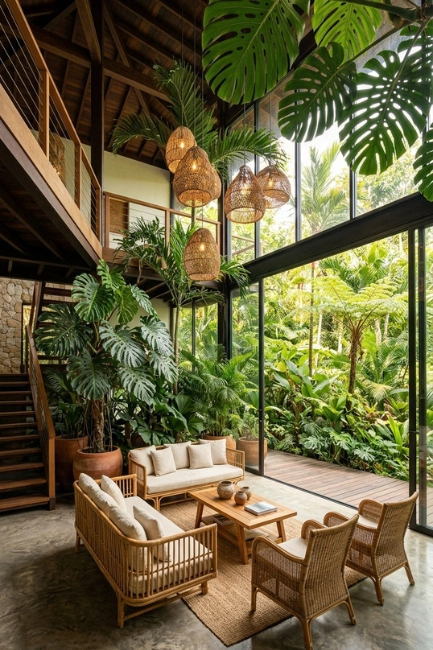
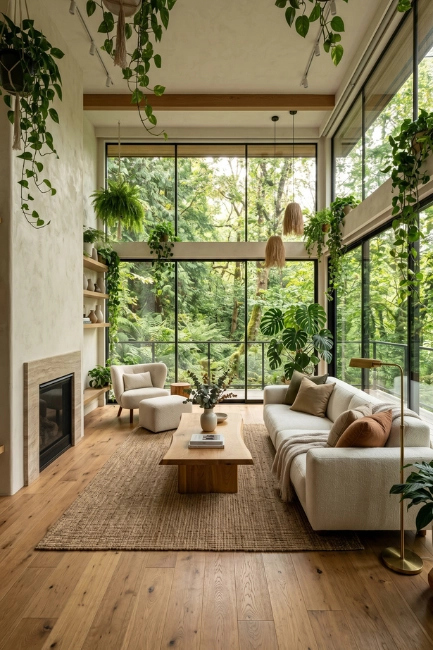
In homes situated within or inspired by tropical environments, greenery is not decoration but architecture. Oversized monstera leaves, climbing philodendrons, and towering fiddle leaf figs fill vertical space in ways that painted walls never could. Indoor tropical gardens thrive beneath skylights and beside glass walls. Their presence shifts the air quality, the light quality, and the entire emotional atmosphere of a space. When selected and arranged with design intention, tropical plants create living green walls that rival any constructed surface. The result is one of the most breathtaking expressions of nature immersed homes anywhere in the world.
Contemporary Homes That Dissolve Into Their Surroundings
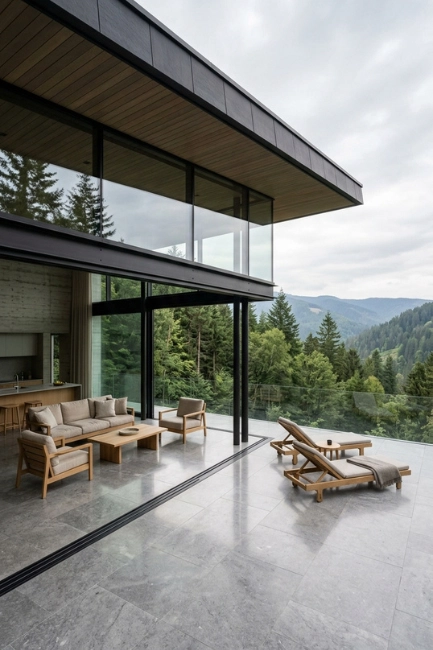
The most architecturally ambitious nature immersed homes are those that appear to disappear into their settings. Low horizontal rooflines follow the slope of a hillside. Exterior cladding in weathered timber or natural stone blends with forest or cliff faces. Glass reflections mirror the sky, making facades nearly invisible from certain angles. Landscaping is deliberately kept wild and native so that garden and wilderness remain indistinguishable. Inside, flooring extends from interior to exterior without change. Materials flow seamlessly between rooms and terraces. The architecture refuses to separate itself from the land it was designed to honor.
Scenic View Focused Architecture as the Ultimate Design Choice
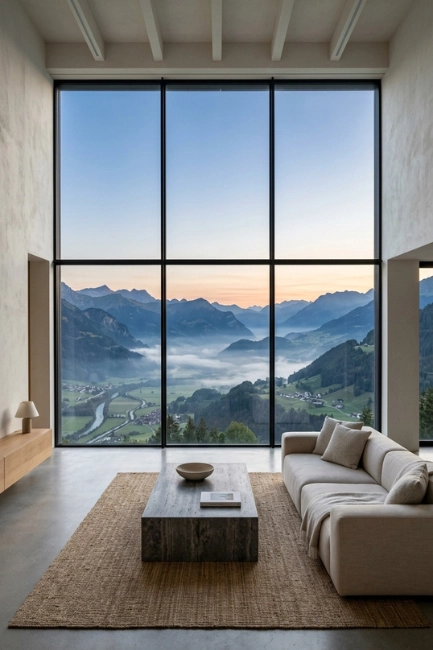
When a home is positioned to face a great view, every design decision should serve that view rather than compete with it. Furniture is kept low and minimal so sightlines remain unobstructed. Color palettes stay neutral to avoid drawing the eye away from the landscape. Window profiles are as slim as structurally possible to maximize the visual field. Nature immersed homes built for scenic settings treat the view as the most valuable design element in the entire residence. Architecture steps back. Nature leads. Every morning the residents wake up to a living landscape that no designer could improve upon.
Conclusion:
Designing a home that feels genuinely connected to the natural world is one of the most meaningful things a homeowner can pursue. Nature immersed homes are not built on trends. They are built on intention, on a deep respect for the landscape, and on the belief that where we live should restore us as much as shelter us. Every material chosen, every window placed, and every view preserved is a quiet act of design wisdom. At Zendecora, we believe the best interiors are those that remain in conversation with the world outside. When architecture and nature speak the same language, nature immersed homes become something far greater than shelter. They become a way of living.