The Art of Less: Beautiful Minimalist Living Room Ideas That Transform Your Everyday Space
There is something quietly powerful about walking into a room that feels open and completely intentional. Minimalist living room ideas have become the most sought-after design approach for homeowners, couples, and families craving calm, functional spaces. At Zendecora, the mission is sharing inspiration for modern home decor ideas and interior styling trends only, no products, no services, just pure creative direction. A well-designed minimalist living room removes everything unnecessary and keeps only what truly matters. The result is a space that breathes, restores, and feels visually balanced every single day, no matter the size of your home.
Neutral Color Palette Foundations
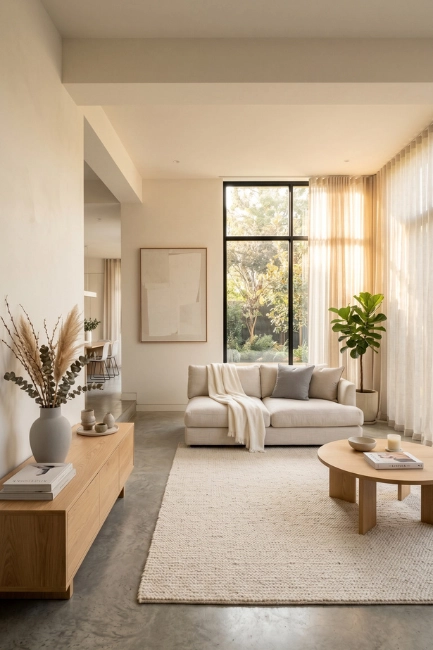
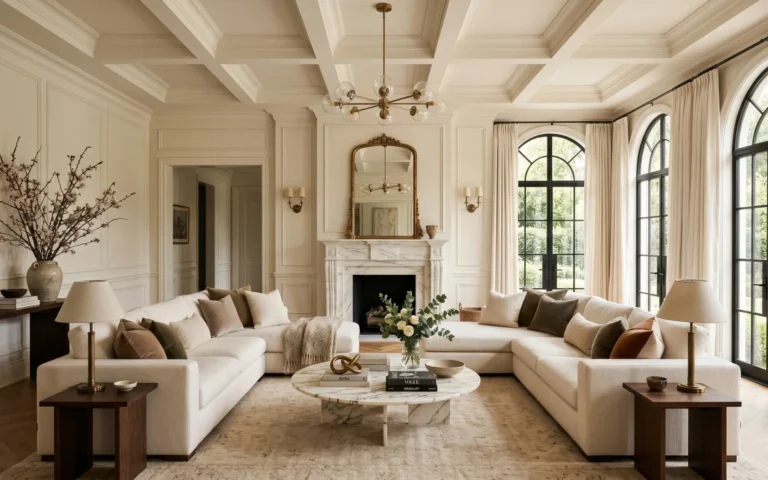
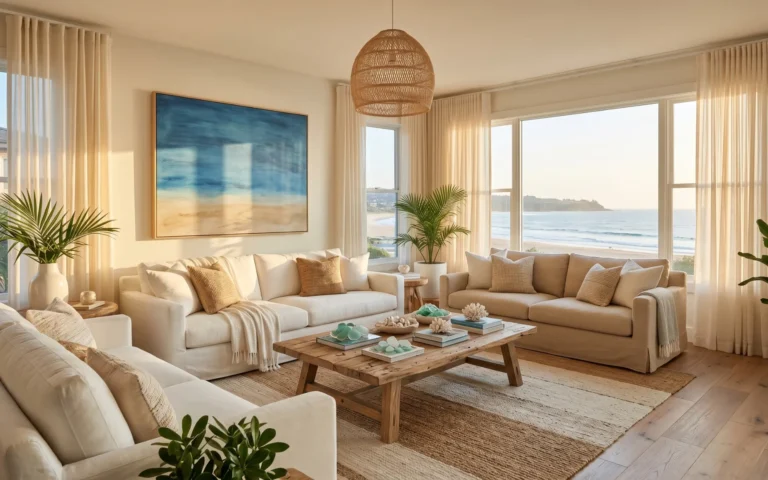
The most enduring minimalist living room ideas are built on a foundation of soft, carefully chosen neutral tones. Think warm white walls paired with pale linen sofas, creamy wool rugs anchoring the floor, and subtle warm gray accents threading through the space. Neutral palettes do not mean boring, they mean intentional. When every tone in a room belongs to the same family, the result is a visual harmony that feels effortlessly sophisticated. The beauty of neutrals in minimalist interiors is their extraordinary flexibility. They absorb natural light beautifully during the day and glow warmly under artificial lighting in the evening, making the room feel consistently inviting across every hour.
Minimalist Living Room Ideas for Small Spaces
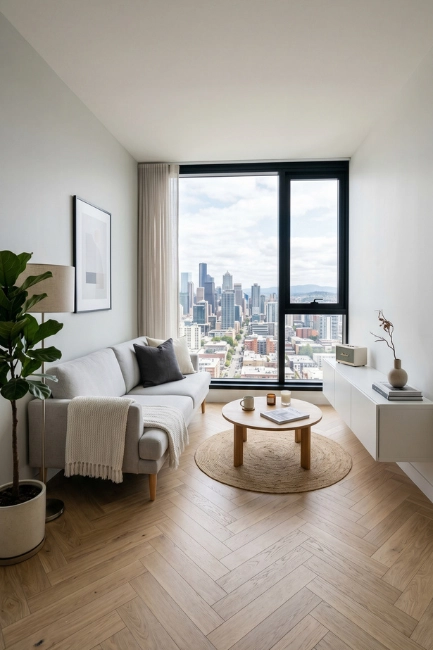
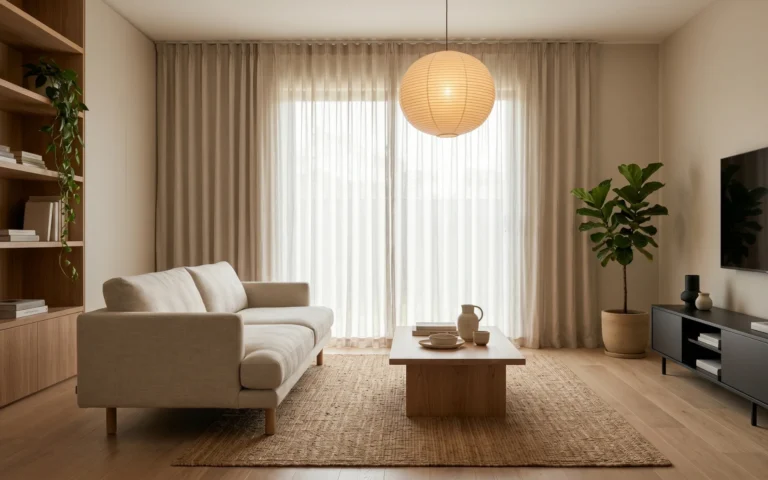
Small living rooms are not design limitations, they are opportunities to be extraordinarily intentional. The most effective minimalist living room ideas for compact spaces focus on multi-functional furniture, visual breathing room, and deliberate restraint in decoration. A slim-profile sofa pushed slightly from the wall, a floating media unit, and a single low-profile coffee table can completely transform how spacious a small room feels. Choosing furniture with exposed legs rather than solid bases keeps the floor visible and the room feeling airy. Light walls, mirrors used sparingly, and uninterrupted sightlines all work together to make even the smallest living room feel expansive, calm, and thoughtfully designed.
Low Profile Furniture Arrangements
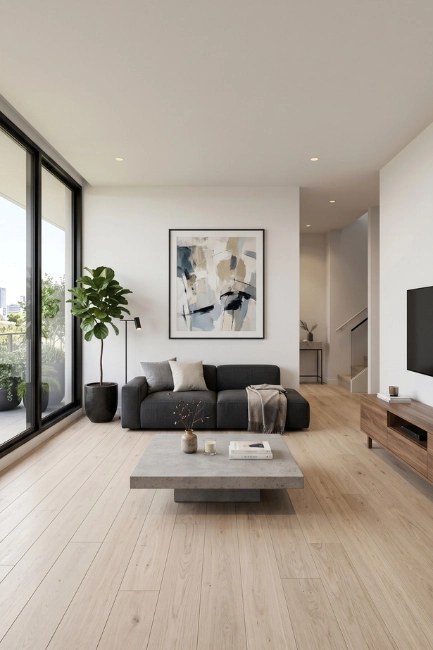
One of the most defining visual choices in minimalist interior design is the use of low profile furniture. Sofas sitting close to the ground, coffee tables with flat clean silhouettes, and low media consoles all contribute to a sense of visual spaciousness that higher furniture simply cannot achieve. This furniture philosophy draws heavily from Japanese and Scandinavian design traditions, where proportion and proximity to the floor carry a quiet cultural significance. In a contemporary living room, low profile arrangements free up vertical wall space, making rooms feel taller and more open. Pairing this furniture approach with high ceilings or even standard height ceilings creates a beautifully dramatic sense of architectural generosity that elevates the entire room.
Warm Beige and Cream Interiors
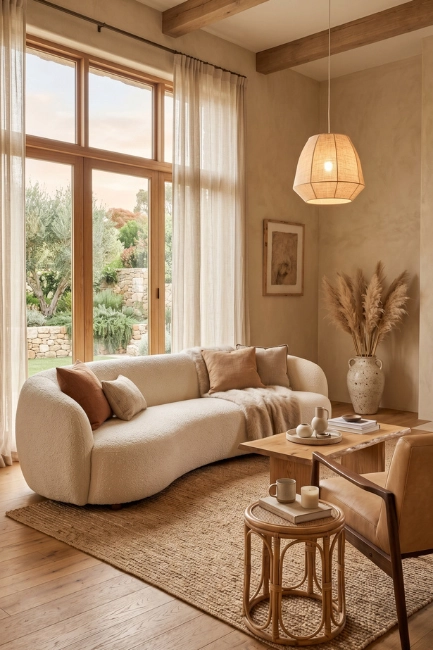
Warm beige and cream interiors represent the softest, most livable side of minimalist design. Unlike stark white minimalism, beige and cream tones bring an organic warmth that makes living rooms feel genuinely welcoming rather than clinical. Layering different shades of beige, from sandy warm tones to deeper caramel accents, creates a tonal richness that is visually complex yet visually restful at the same time. A cream boucle sofa beside a warm beige textured wall, paired with natural jute underfoot, creates a room that wraps around you like a calm exhale. This palette works beautifully in both smaller apartments and larger family living rooms, making it one of the most universally appealing minimalist color directions available.
Minimalist Living Room Ideas with Natural Wood Accents
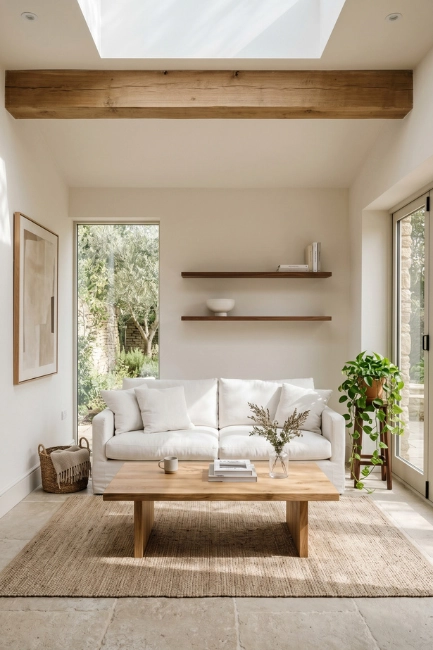
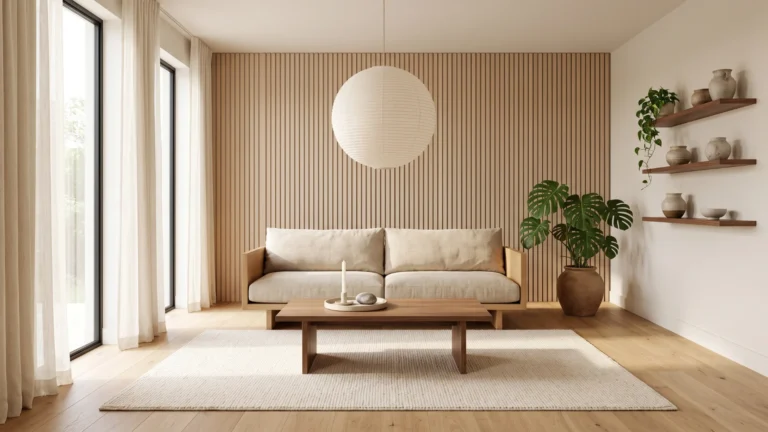
Natural wood is one of the most grounding materials available to minimalist interior design. When introduced thoughtfully, wood accents bring an organic texture and warmth that balances the cool precision often associated with clean-lined minimalist spaces. Consider a solid oak coffee table beside a white sofa, or a walnut floating shelf displaying a single sculptural object. Even small wood details, a side table leg, a door frame, a picture rail, contribute a sense of natural humanity that makes a minimalist living room feel genuinely livable rather than sterile. Minimalist living room ideas built around natural wood accents age beautifully over time, developing a quiet character that grows richer with every passing season.
Open Concept Living Room Styling
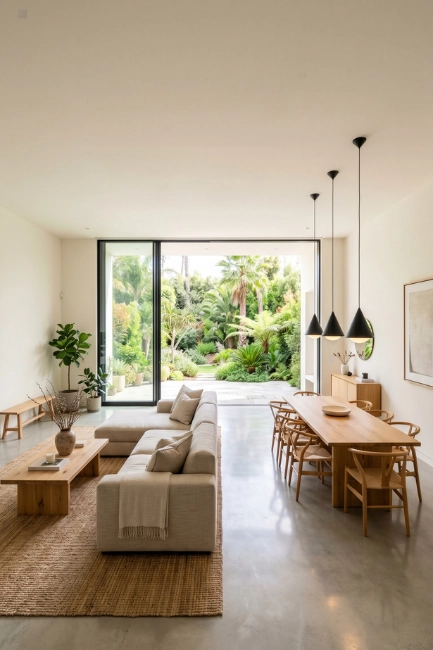
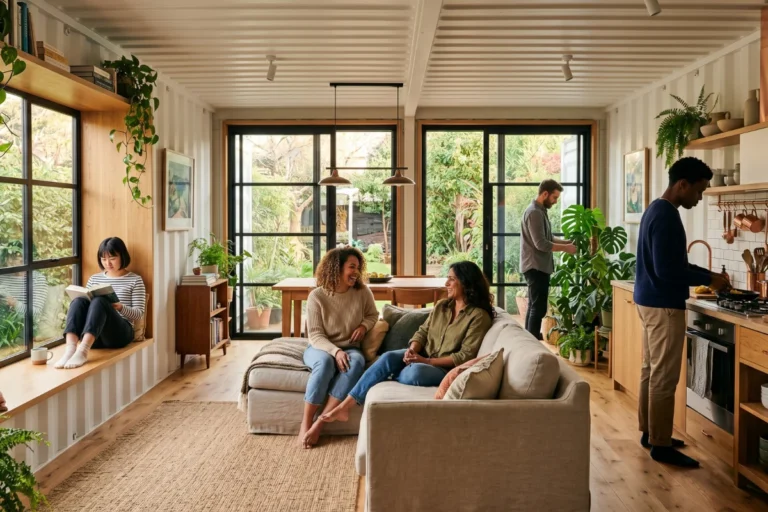
Open concept living spaces demand a higher level of intentional design because every zone within the larger space must feel cohesive while still maintaining its own identity. In minimalist open concept rooms, the key is to define areas through rugs, lighting, and furniture placement rather than walls or visual barriers. A large neutral area rug anchors the seating area, while pendant lighting overhead signals the dining zone without any physical division. Keeping the color palette consistent across both areas creates a seamless visual flow that makes the entire combined space feel considered and unified. This approach suits modern apartments and family homes equally, making open concept minimalism one of the most enduring contemporary living room strategies.
Statement Lighting Without Clutter
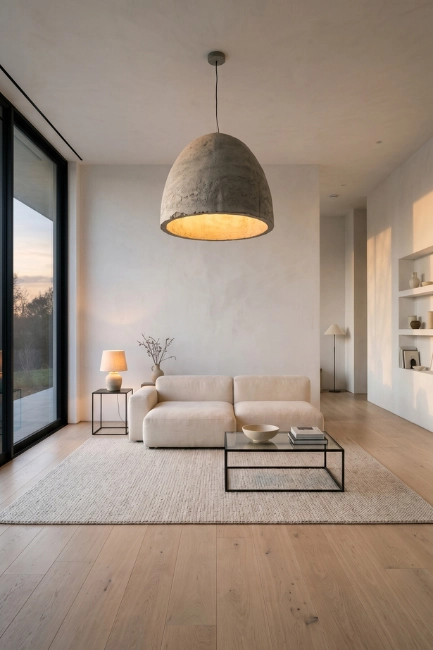
Lighting in a minimalist living room is never an afterthought. A single architectural pendant lamp or a carefully placed arc floor lamp can serve as the room’s entire focal point without adding any visual weight to the surrounding space. The goal in minimalist lighting design is to make the light itself the statement while keeping the fixture form beautifully restrained. Think a sculptural matte black pendant with a clean geometric silhouette above a coffee table, or a slim brass arc floor lamp curving gently over a reading chair. Statement lighting anchors a room, gives it vertical dimension, and eliminates the need for additional decorative objects, keeping the space visually calm while still feeling curated and intentional.
Minimalist Wall Decor Inspiration
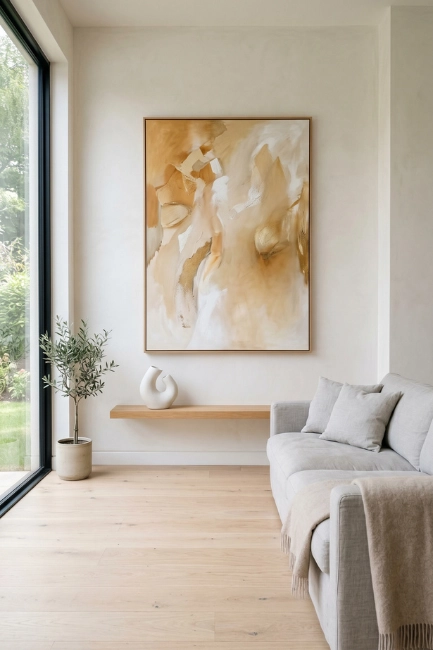
Walls in minimalist living rooms are not blank afterthoughts. They are carefully considered canvases. The most refined approach to minimalist wall decor is restraint paired with intention. A single large-scale abstract artwork in muted tones creates far more visual impact than a crowded gallery wall. A slim architectural shelf displaying one sculptural object and a small trailing plant offers visual interest without noise. Textured plaster walls or limewash finishes can themselves become the wall decor, eliminating the need for any hanging art at all. Whatever approach is chosen, the guiding principle remains the same: every wall element must earn its place in the room and contribute something meaningful to the overall composition.
Cozy Minimalist Living Room Ideas
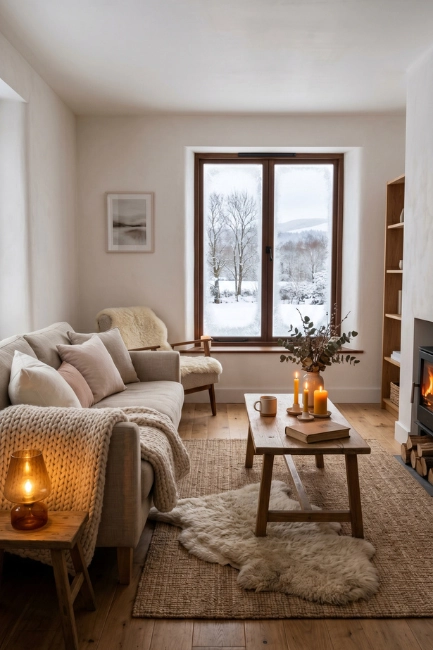
Minimalism and coziness are not opposites. When done well, they are deeply complementary. Cozy minimalist living room ideas focus on layering soft textures within a clean framework, thick knit throw blankets folded over a simple sofa, a sheepskin rug layered over a flat woven base rug, linen cushions in varying tones of ivory and blush. The furniture remains streamlined and the palette stays quiet, but the textural depth creates a warmth that invites you to settle in and stay. Candlelight or low-wattage warm-toned lamps enhance the cozy atmosphere without disrupting the visual calm. This approach is especially loved by families and couples who want a space that feels both styled and genuinely comfortable.
Layered Textures for Visual Warmth
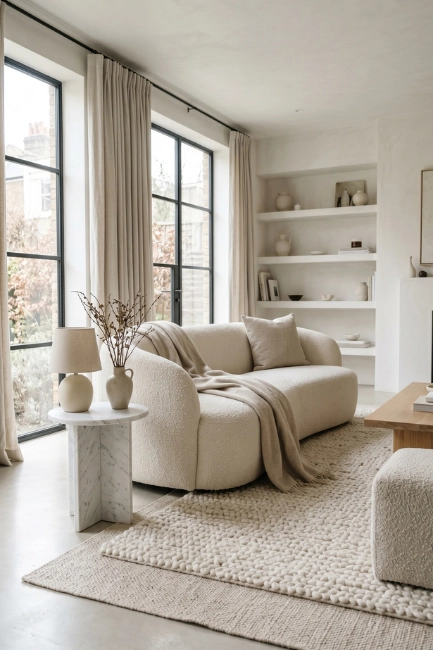
One of the most sophisticated tools in minimalist interior design is the deliberate layering of textures across a single neutral palette. When color is held constant and restrained, texture becomes the primary language through which a room communicates depth, personality, and warmth. Imagine a smooth plaster wall behind a nubby boucle sofa, topped with a linen cushion and a cashmere throw, all in varying shades of soft white and warm ivory. Underfoot, a flat-weave cotton rug sits beneath a thicker chunky wool layer. A smooth marble side table catches the light differently from the matte ceramic lamp beside it. This interplay of surfaces gives a minimalist living room richness without requiring a single additional decorative object.
Black and White Minimalist Contrast
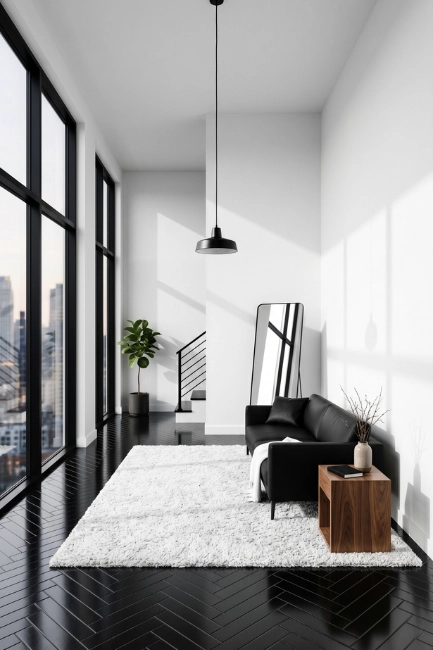
The black and white minimalist living room ideas is a study in discipline and boldness. When executed with restraint, this high-contrast palette creates a living space that feels architecturally powerful, visually striking, and timeless. The key is proportion: too much black and the room becomes heavy; too much white and it risks feeling sterile. The most successful black and white minimalist interiors use white as the dominant foundation, introducing black through furniture legs, frames, a single statement sofa, or architectural details like window frames and door profiles. Soft gray undertones and natural wood elements prevent the palette from feeling stark, adding just enough organic warmth to keep the space genuinely livable and sophisticated.
Scandinavian Inspired Living Spaces
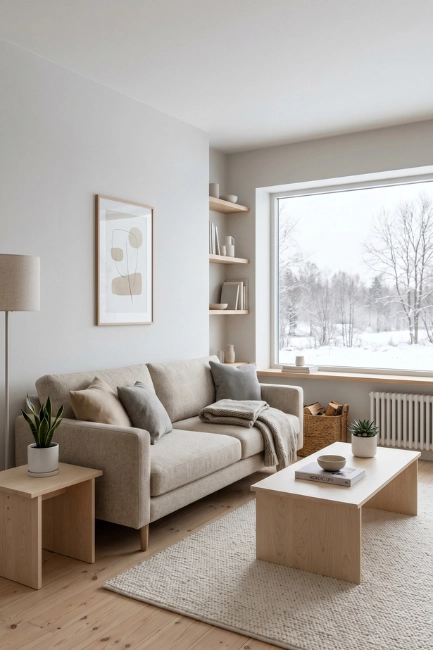
Scandinavian design philosophy sits at the heart of so much of what modern minimalism has become. Functional simplicity, natural materials, human scale furniture, and an obsession with the quality of natural light all define the Scandinavian approach to minimalist living room ideas. In practice, this translates into pale birch furniture, soft wool textiles, clean lined sofas in muted tones, and a deliberate absence of decorative excess. What remains is pure and considered. Plants in simple white or terracotta pots bring the outside in. A single framed print with a thin wooden frame adds personality without noise. Scandinavian inspired living rooms feel as though they were designed for real life, for morning coffee, quiet reading, and genuine daily comfort.
Hidden Storage Solutions
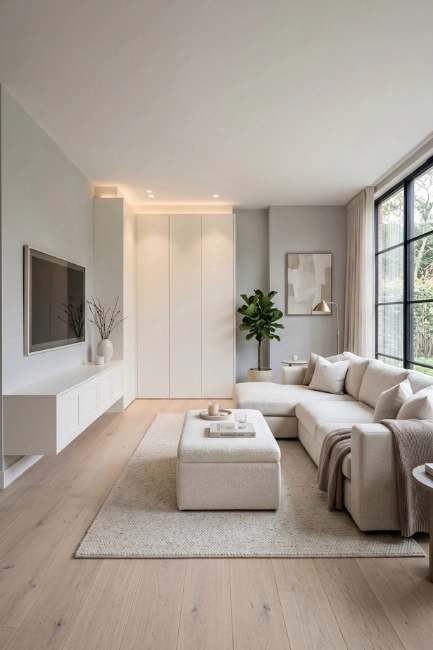
Clutter is the enemy of every minimalist living room, and the most intelligent design solution is not simply owning less but storing what you own invisibly. Built in cabinetry that runs flush with the wall and is finished in the same tone creates storage that virtually disappears into the architecture. Ottomans with lift-top lids double as coffee tables and blanket storage simultaneously. Media consoles with closed-door fronts hide technology, cables, and everyday essentials behind a clean face. The result is a living room where everything needed for daily life exists within reach but remains entirely out of sight. Hidden storage is what separates minimalist living room ideas that photograph well from spaces that actually live beautifully every single day.
Large Window Design Concepts
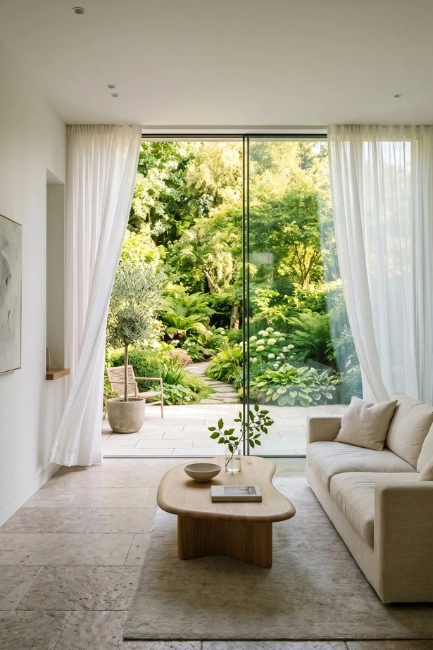
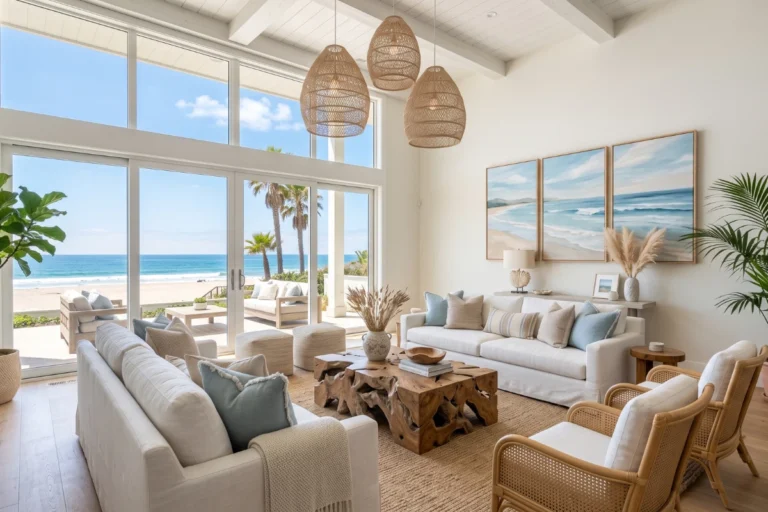
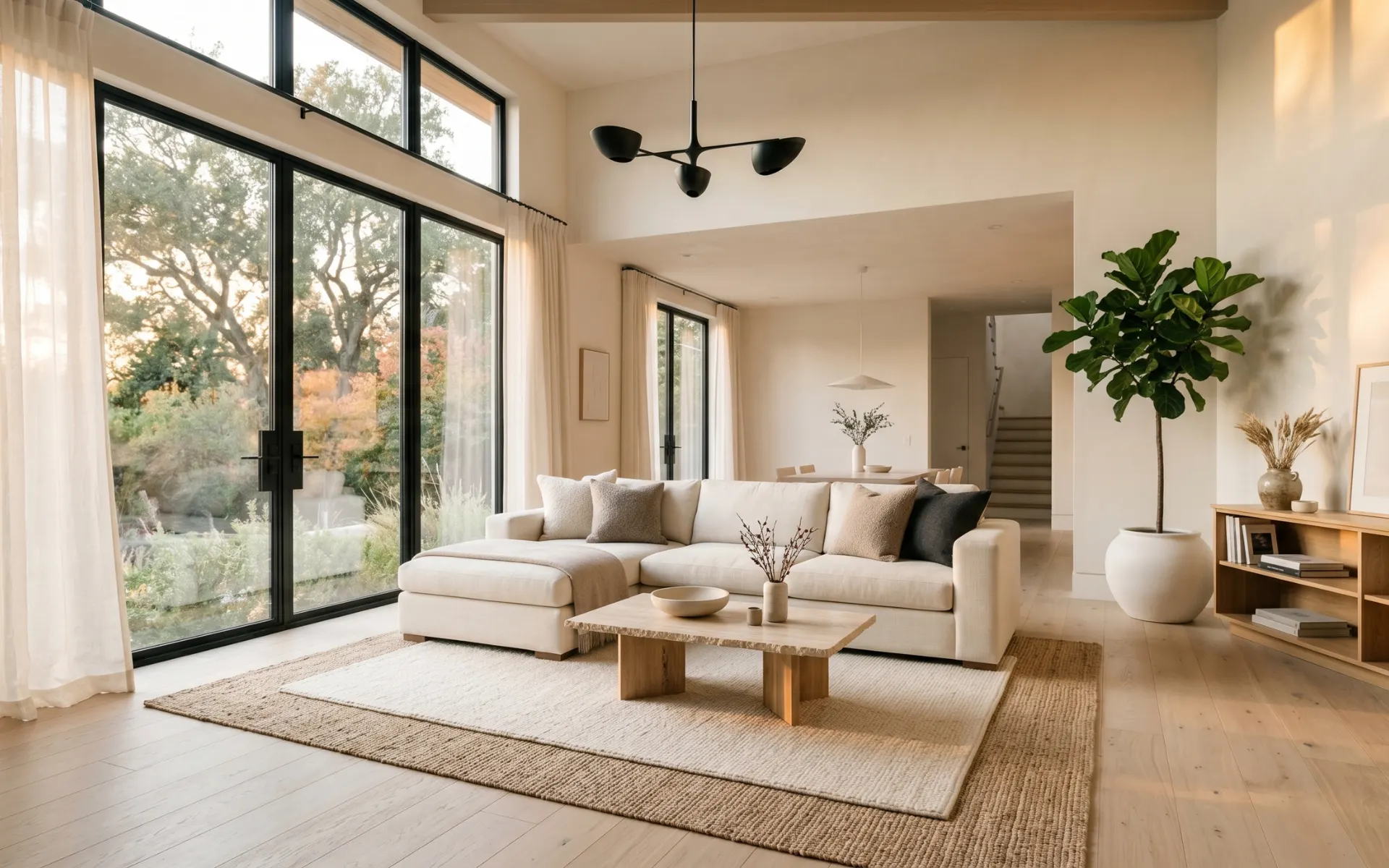
Few design features transform minimalist living room ideas more dramatically than large windows. An expanse of glass connects the interior to the world outside, draws in natural light across every surface, and effectively borrows the landscape as living wall art. In minimalist interiors, large windows are left intentionally unadorned or dressed only in the most translucent of sheers to preserve the view and the light simultaneously. The furniture arrangement follows the window, with seating oriented to face or flank the glass rather than placed with its back to it. The outside world, whether a garden, a city skyline, or a mountain range, becomes part of the room itself, infinitely expanding the perceived space.
Modern Minimalist Living Room Ideas with Clean Lines
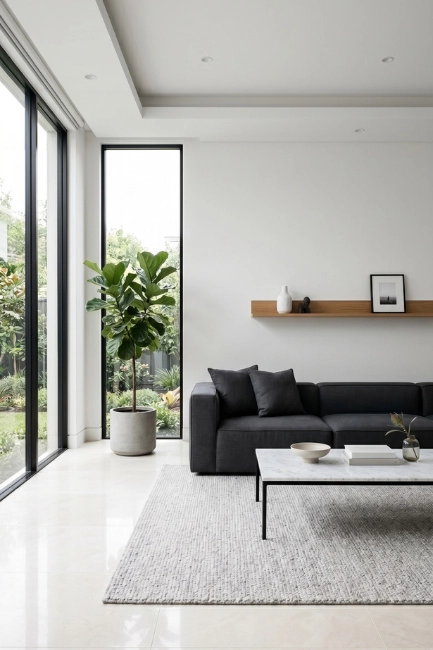
Clean lines are the visual grammar of modern minimalist design. Every piece of furniture, every architectural detail, and every decorative choice should read as deliberate, precise, and uncluttered. Modern minimalist living room ideas built around clean lines favor square and rectangular sofa profiles, flat-edged coffee tables, linear shelving, and furniture without decorative molding or excess ornamentation. The beauty of this approach is in the precision: when every line in a room is intentional, the overall composition develops a quiet, almost gallery-like quality. Rooms designed this way feel contemporary without chasing trends, because geometric clarity and restraint are design values that never age, never go out of style, and never require updating.
Soft Earth Tone Styling
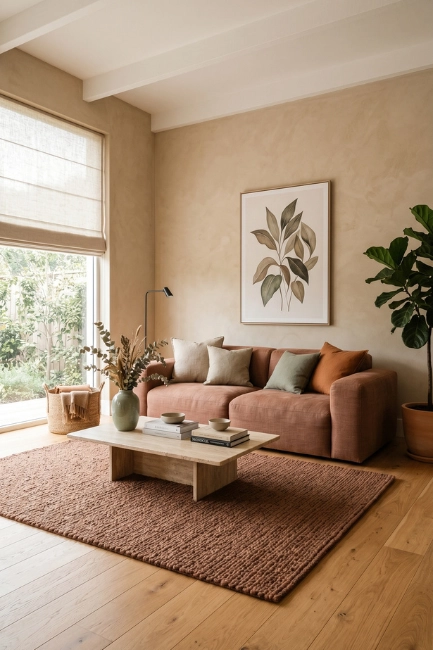
Earth tones have moved to the center of contemporary minimalist interior design, offering an alternative to the cool neutrals that defined the earlier generation of the aesthetic. Terracotta, warm sand, dusty sage, burnt sienna, and deep clay bring the palette of the natural world directly into the living room. When applied in minimalist living room ideas, these colors appear in their most muted, dusty iterations rather than their full saturated forms. A terracotta linen sofa beside a sand-colored plaster wall, accented by a single sage ceramic vase, creates a living room that feels rooted, calm, and connected to something deeper than trend. Earth tone minimalism appeals strongly to families and homeowners seeking a warmth that white-based palettes sometimes cannot deliver.
Functional Coffee Table Arrangements
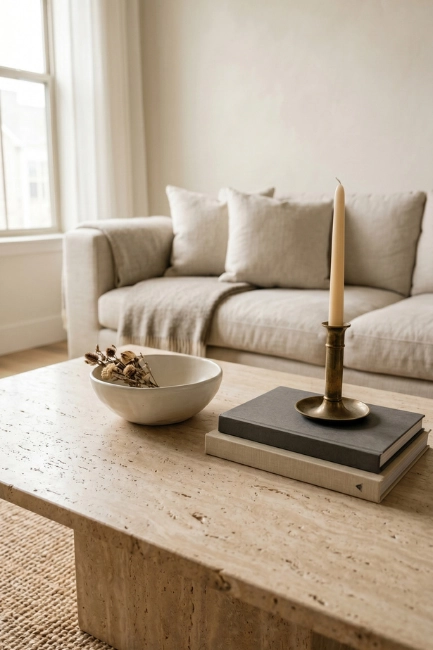
The coffee table is one of the hardest-working surfaces in any living room, and in minimalist living room ideas its arrangement becomes a deliberate act of curation. The most refined approach limits the surface to three objects or fewer: a small stack of design books, a single low ceramic bowl, and a minimal candle. These objects should vary in height, material, and texture to create visual interest without crowding the surface. The table itself must be chosen for proportion and material integrity. Stone, solid wood, and metal all carry a presence that hollow or overly decorative alternatives simply cannot replicate convincingly.
Indoor Plants in Minimalist Spaces
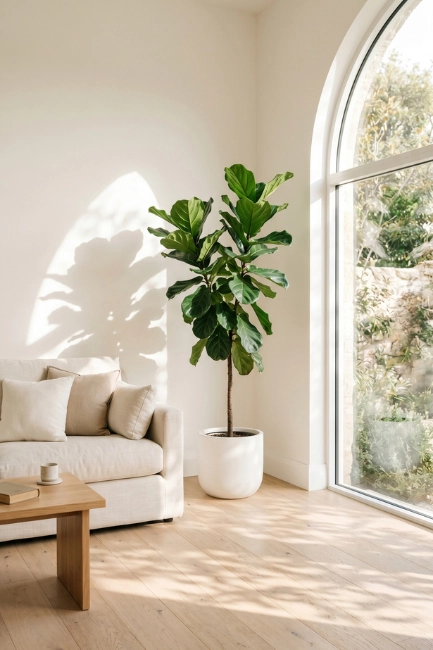
Plants introduce a living dimension into minimalist living room ideas that no inanimate object can replicate. In a minimalist context, selectivity is everything. One large architectural plant, a fiddle leaf fig, an olive tree, or a tall snake plant, makes far greater impact than a scattered collection of smaller ones. The pot matters equally: simple white, matte black, or natural terracotta containers prevent the planting from becoming decorative noise. A single floor plant positioned beside a window, where it receives natural light and anchors the room visually, becomes a quiet focal point that brings the entire composition together with effortless organic softness.
Minimalist Living Rooms with Architectural Interest
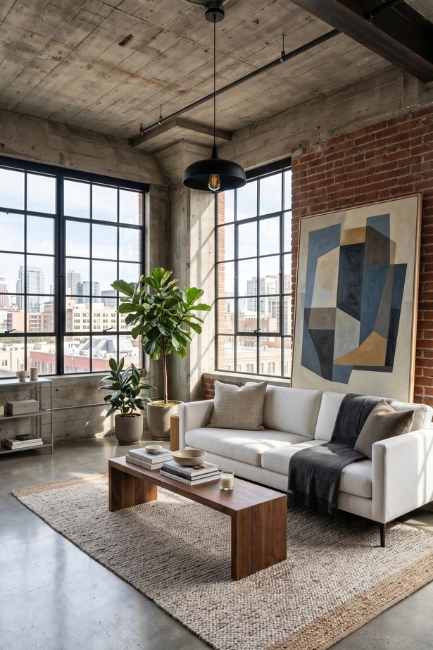
A minimalist living room does not need decoration when the architecture itself becomes the visual story. Exposed concrete ceilings, arched doorways, vaulted timber beams, raw brick accent walls, and sculptural built-in niches all provide inherent visual interest that renders additional decoration unnecessary. The minimalist approach in architecturally interesting spaces is to let the structure breathe, furnishing simply and selecting pieces that honor rather than compete with the bones of the room. A clean white sofa beneath a raw concrete ceiling. A low walnut bench inside an arched alcove. A single pendant lamp dropping from a timber beam. These pairings celebrate architectural character while maintaining the restraint and calm that define genuinely considered minimalist living.
Creating Balance Through Negative Space
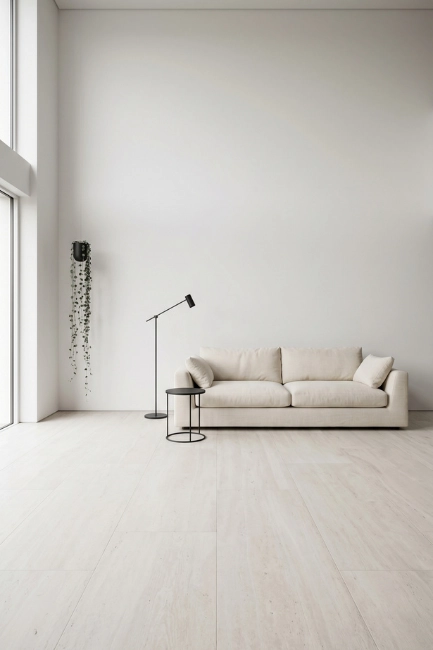
Perhaps the most misunderstood principle in minimalist interior design is the role of negative space. Empty space is not wasted space, it is an active and powerful design tool. A wall left bare beside a single artwork amplifies that artwork rather than leaving it feeling unfinished. A clear coffee table gives the eye a necessary place to rest. Negative space is the silence between musical notes, without it, nothing else has room to be truly heard. In a minimalist living room, negative space gives every chosen object and every furniture piece the room it needs to communicate its full visual impact beautifully.
Conclusion
Minimalist living room ideas are not about restriction. They are about living with deep intention and surrounding yourself only with what is functional, beautiful, and genuinely meaningful to your daily life. From layered textures and natural wood accents to clean lines, earth tones, and the powerful role of negative space, every principle in this guide points toward the same destination: a living room that feels calm, considered, and completely yours. At Zendecora, great interior design begins with a clear vision of how you want your home to feel. Minimalist living rooms offer that clarity in its most refined, timeless, and truly restorative form.