Peaceful, Beautiful, and Intentional: Zen Bathroom Concepts That Turn Your Bathroom Into a Personal Sanctuary
There is something deeply powerful about walking into a bathroom that feels calm, clean, and completely intentional. Zen bathroom concepts have become one of the most searched interior styling trends for homeowners who want more than just a functional space. They want a daily retreat. At Zendecora, we believe that every corner of your home deserves thoughtful design, and the bathroom is no exception. As a modern home decor inspiration platform, Zendecora shares only the finest interior styling ideas and aesthetic trends. No products, no services, just pure visual and creative inspiration. Whether you are redesigning a compact apartment bathroom or dreaming up a luxury spa-inspired space, these ideas will guide your vision with elegance, simplicity, and soul.
The Philosophy Behind Zen Bathroom Concepts
Zen design is not simply about aesthetics. It is a way of thinking. At its core, zen bathroom concepts are rooted in the Japanese philosophy of mindfulness, simplicity, and harmony with nature. Every element in the space is chosen with intention. Clutter is removed. Visual noise is eliminated. What remains is only what serves a purpose or brings quiet beauty. When this philosophy is applied to bathroom design, the result is a space that genuinely slows you down, invites you to breathe, and transforms a mundane morning routine into something that feels almost meditative.
Natural Stone Walls and Earthy Textures
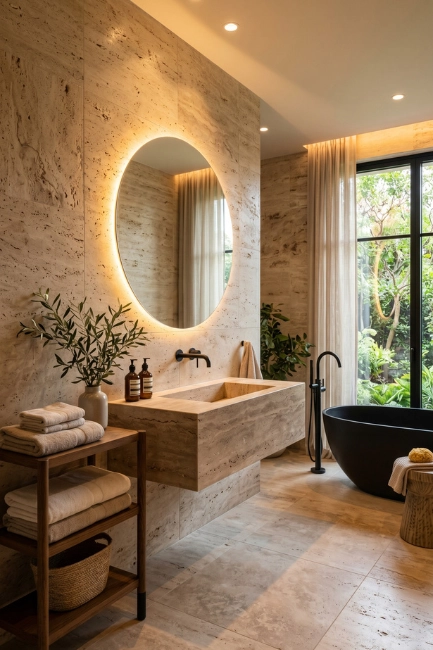
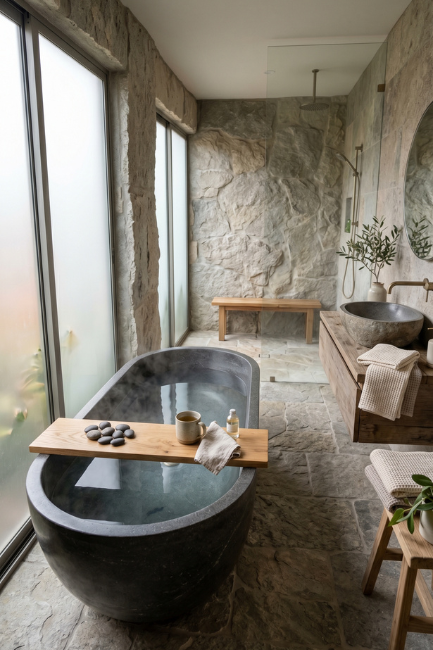
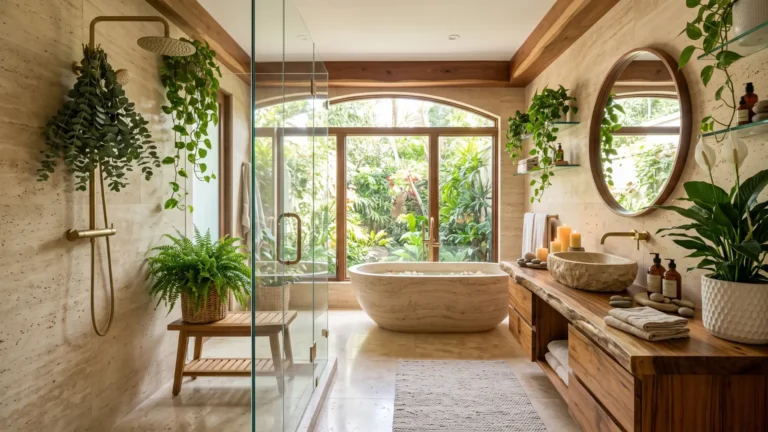
Nothing grounds a bathroom in zen energy quite like the presence of raw, natural materials. Stone walls, whether slate, travertine, or rough-cut granite, bring a primal sense of calm that no painted surface can replicate. The natural variation in texture and color creates visual interest without overwhelming the senses. Pair stone walls with matte fixtures, warm-toned grout, and minimal accessories to let the material speak for itself. The imperfections in natural stone are intentional beauty. They remind you that perfection is not the goal. Presence is.
Warm Wooden Accents That Breathe Life Into the Space
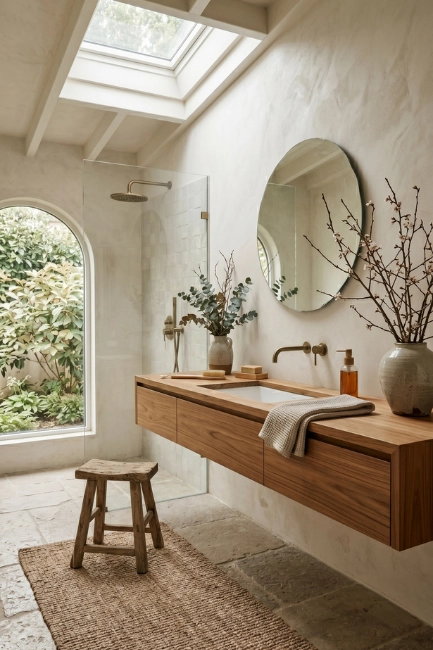
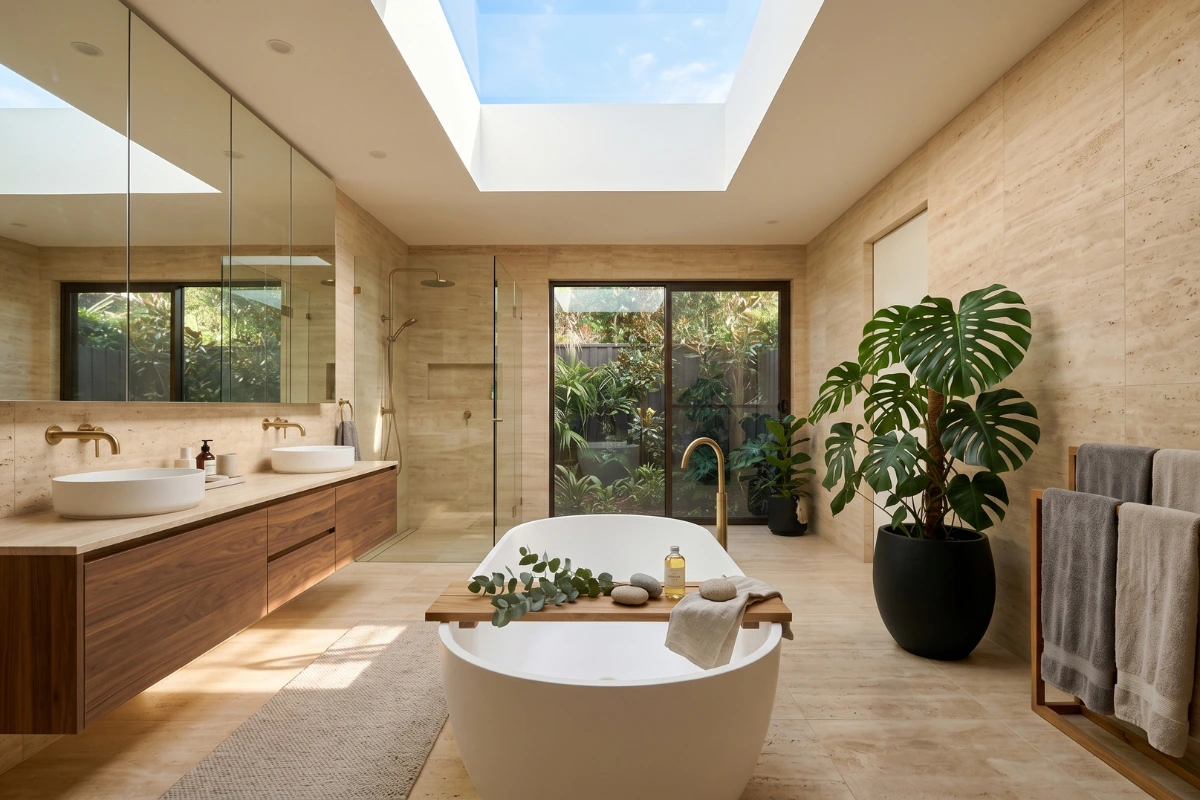
Wood is the soul of zen interior design. In the bathroom, warm wooden accents, teak bath mats, bamboo shelving, walnut vanity units, introduce an organic warmth that stone and tile alone cannot offer. The grain of the wood, its natural variation, and the way it ages gracefully all contribute to a space that feels alive and authentic. When used thoughtfully, wood in a bathroom does not feel out of place. It feels essential. It softens the hardness of ceramic and glass, adds warmth to cool tones, and reminds the space of its connection to the natural world.
A Soaking Tub as the Centerpiece of Calm
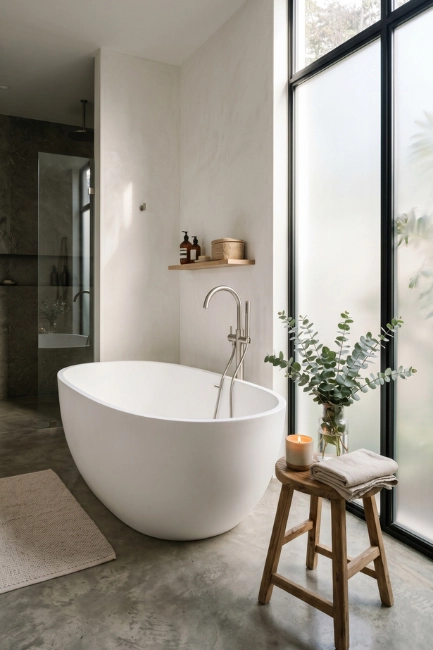
Few design choices communicate zen bathroom concepts more powerfully than a freestanding soaking tub. Placed thoughtfully, near a window, against a stone wall, or centered beneath soft pendant lighting, a soaking tub becomes the visual and emotional heart of the bathroom. It is not just a fixture. It is an invitation. An invitation to slow down, be still, and surrender to warmth and quiet. Choose deep, simple silhouettes in matte white, concrete gray, or natural stone finishes. Avoid ornate detailing. Let the tub’s clean lines and generous depth do all the communicating.
Neutral Color Palettes Inspired by Nature
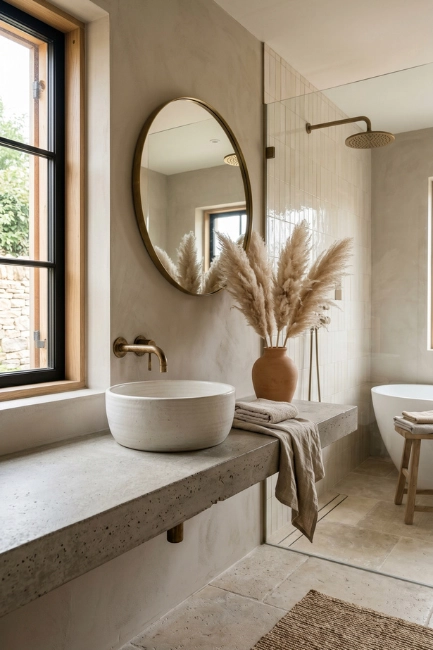
Color is one of the most powerful tools in zen bathroom design, and the most effective zen palettes borrow directly from nature. Think warm sand, soft clay, pale stone, and aged driftwood. These are not cold or sterile neutrals. They are living tones with depth, movement, and a sense of quiet warmth. When layered thoughtfully across walls, textiles, and accessories, a nature-inspired neutral palette creates a cohesive, calming environment where every shade feels like it belongs. Avoid stark whites that feel clinical. Instead, reach for warm off-whites, creamy taupes, and gentle greiges that soften the room from every angle.
Minimalist Shelving With Intentional Display
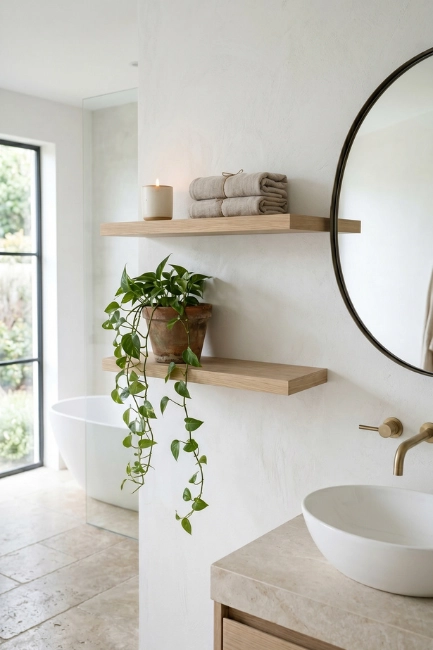
In a zen bathroom, storage is not hidden out of shame. It is curated like a gallery. Minimalist open shelving allows you to display only what is beautiful, purposeful, or meaningful. A single hand-thrown ceramic soap dish. One folded linen towel in a muted tone. A small smooth stone brought back from a meaningful place. The key is restraint. Every item on the shelf should earn its place. Floating shelves in pale oak or matte white work beautifully in zen spaces, keeping the wall feeling light and uncluttered while still offering functional storage that doubles as quiet visual poetry.
The Role of Indoor Plants in Zen Bathroom Styling
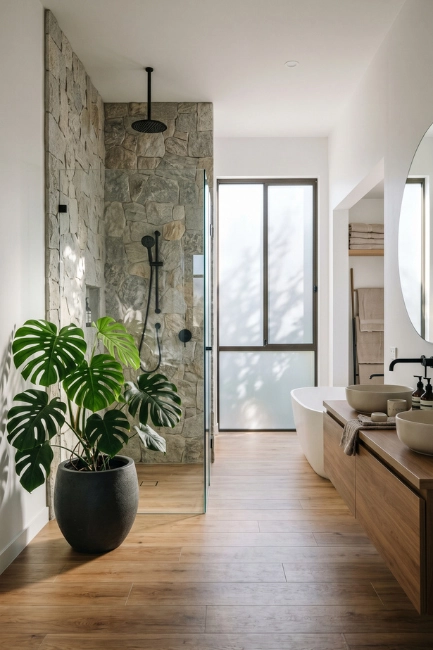
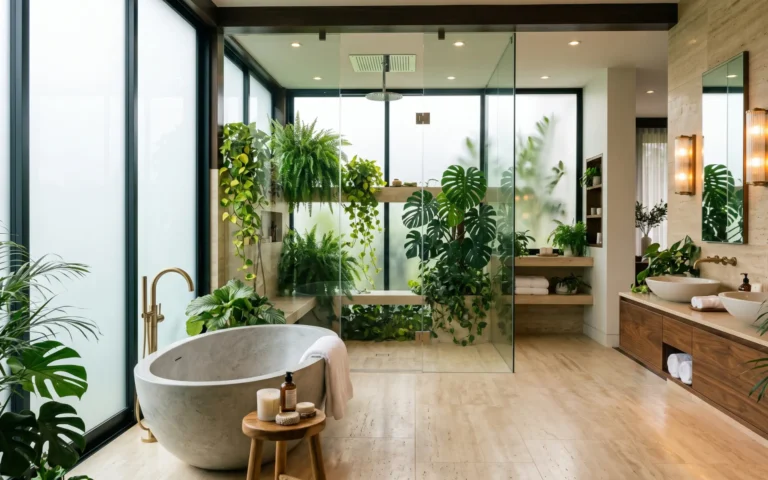
Plants in the bathroom are not a trend. They are a design philosophy. In zen bathroom concepts, greenery is not decorative filler. It is a living, breathing reminder of the natural world. The bathroom’s humidity and warmth make it an ideal environment for many tropical and tropical-adjacent plants. Pothos, peace lilies, ferns, and snake plants all thrive beautifully. A single large-leafed plant in a simple matte pot can completely transform the energy of a bathroom, softening hard surfaces, introducing organic movement, and reinforcing that sense of being connected to something larger and quieter than your daily routine.
Walk-In Showers With a Spa-Like Presence
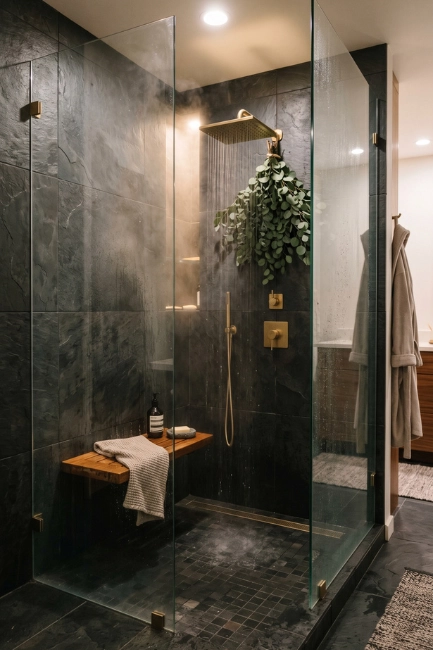
The walk in shower is arguably the most important functional element of any modern zen bathroom. When designed with intention, it becomes more than a place to wash. It becomes a ritual space. Stone or large-format porcelain tile on the floor and walls, a frameless glass panel to maintain visual openness, a rain-head shower overhead, and perhaps a built-in teak bench along one wall. These elements together create a shower experience that genuinely mimics the sensation of bathing in nature, beneath a waterfall, in a forest, in absolute solitude. Minimal hardware. No visual clutter. Just clean lines and clean water.
Soft Lighting That Sets the Mood for Every Hour
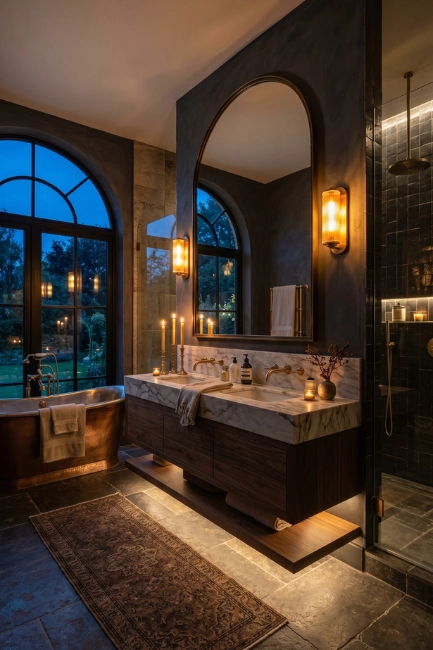
Lighting in a zen bathroom should never be harsh or clinical. The goal is layered, warm, and dimmable. Begin with ambient lighting, soft recessed ceiling fixtures that wash the room in a gentle glow. Layer in task lighting around the mirror, not overhead fluorescents, but warm-toned wall sconces at eye level. Add a final layer of accent lighting, a candle or two, perhaps an LED strip behind a floating vanity, or a small table lamp on a shelf. This layered approach allows the bathroom to transition effortlessly from bright morning energy to soft evening calm, always matching the mood of the moment.
Zen Bathroom Concepts for Small Spaces
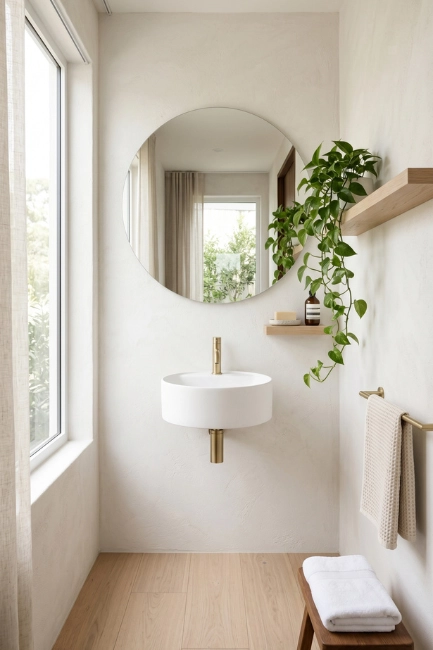
A small bathroom can embody zen bathroom concepts just as powerfully as a grand master suite. The key lies in disciplined simplicity. In compact spaces, every design decision carries more visual weight, which actually works in your favor. A single beautiful basin. One carefully chosen plant. A frameless mirror that expands the room visually. Light, warm tones on the walls to prevent the space from feeling enclosed. Slim floating shelves instead of bulky cabinetry. The smaller the bathroom, the more intentional the design needs to be, and intentionality, after all, is the very heart of zen design philosophy.
The Beauty of Wabi-Sabi in Bathroom Design
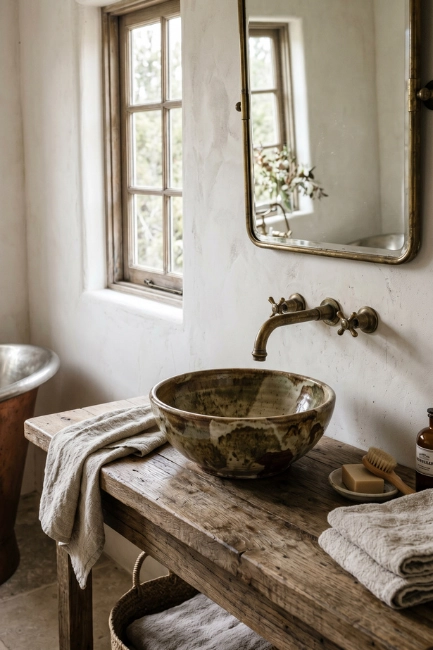
Wabi-sabi, the Japanese aesthetic of finding beauty in imperfection and impermanence, is a natural companion to zen bathroom design. It shows up in the uneven glaze of a handmade ceramic basin, the visible grain of an aged wooden shelf, the gentle patina developing on a brass faucet over time. Wabi-sabi encourages you to resist the urge for perfection and instead embrace the authentic, the worn, the quietly beautiful. In a bathroom, this philosophy translates into materials and objects that tell a story, and in doing so, they make the space feel genuinely human, warm, and lived-in rather than showroom-staged.
Monochromatic Bathroom Styling in Soft Tones
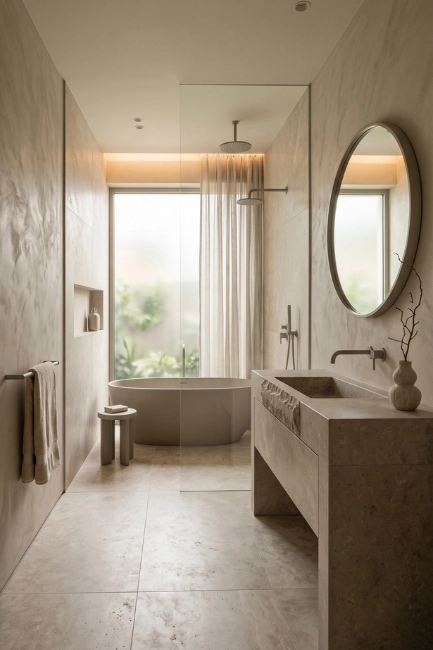
A monochromatic bathroom does not mean boring. It means deeply considered. When a single tone is carried across walls, floor, fixtures, and accessories in varying shades and textures, the result is a space of extraordinary visual calm. In zen bathroom concepts, the most effective monochromatic palettes are built around soft, warm neutrals, creamy whites, pale stone grays, dusty blush tones, or warm greiges. The variation in material texture, smooth plaster beside rough stone, matte ceramic beside polished glass, creates enough visual interest to keep the space dynamic while maintaining that essential sense of unified, undisturbed calm.
Aromatherapy and Sensory Layers in a Zen Bathroom
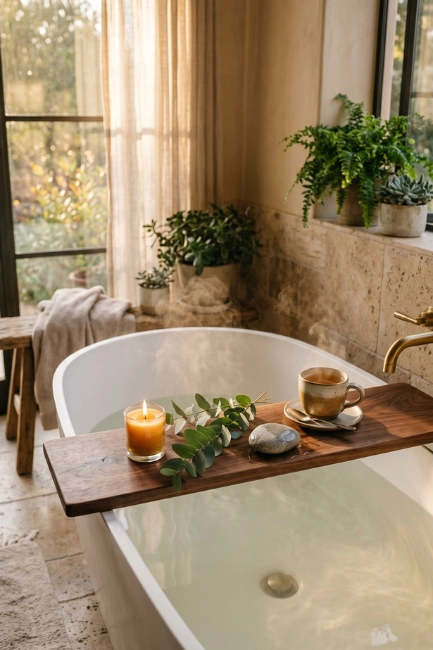
A truly zen bathroom concepts engages more than just the eyes. Scent, sound, and touch are equally important dimensions of the experience. A few unscented beeswax candles beside the tub. A small diffuser on the shelf releasing eucalyptus or hinoki cypress essential oil. A linen hand towel warmed on a heated rail. A wooden bath tray holding nothing more than a smooth stone and a sprig of dried lavender. These sensory layers work together to signal to your nervous system that this is a place of rest. Design with all five senses in mind, and your bathroom becomes something far more than interior design. It becomes genuine self-care architecture.
Japanese Ofuro-Inspired Bathing Rituals
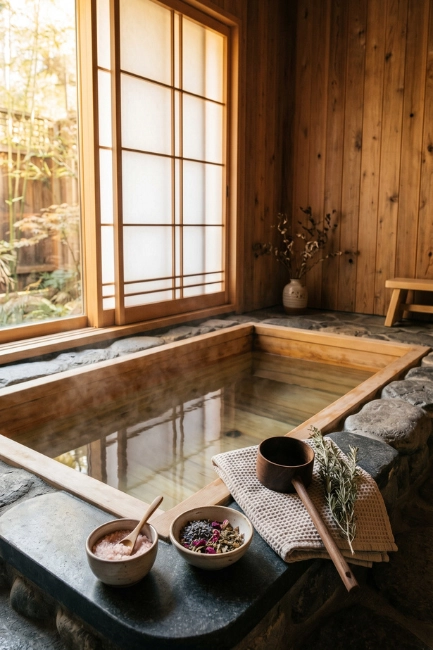
The Japanese ofuro, a deep soaking tub traditionally made from hinoki wood, is one of the purest expressions of zen bathroom concepts in the world. The ritual of the ofuro is about cleansing the mind as much as the body. You wash before you enter. You soak in stillness. You emerge renewed. Bringing this philosophy into a modern bathroom does not require a traditional wooden tub. It requires intention. A deeper-than-average soaking tub. A dedicated bathing ritual. Perhaps a small wooden stool, a soft cloth, a single branch of fresh pine. The ritual matters more than the fixture.
Floating Vanities That Keep the Floor Visually Light
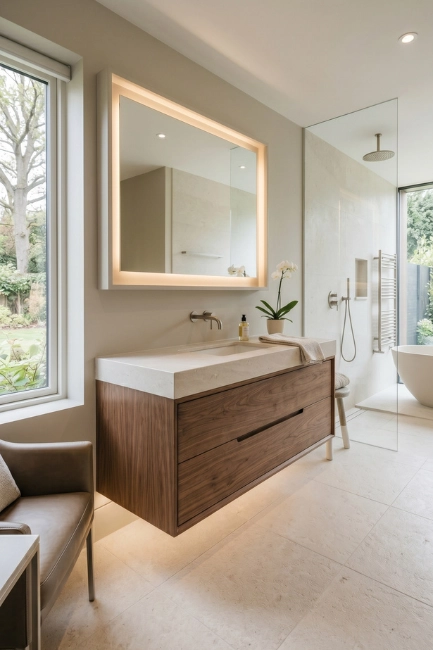
One of the most effective design moves in a zen bathroom concepts is the floating vanity. By lifting the cabinetry off the floor, you immediately create a sense of visual spaciousness and lightness that grounded vanities simply cannot offer. The floor becomes one uninterrupted plane, which makes the room feel larger, calmer, and more intentional. Choose floating vanities in warm wood tones, matte white lacquer, or concrete finishes. Keep the surface clean, one soap dispenser, perhaps a small plant, nothing more. The restraint of the surface communicates the same thing the floating design does. There is room to breathe here.
Organic Shapes and Curves in Zen Bathroom Design
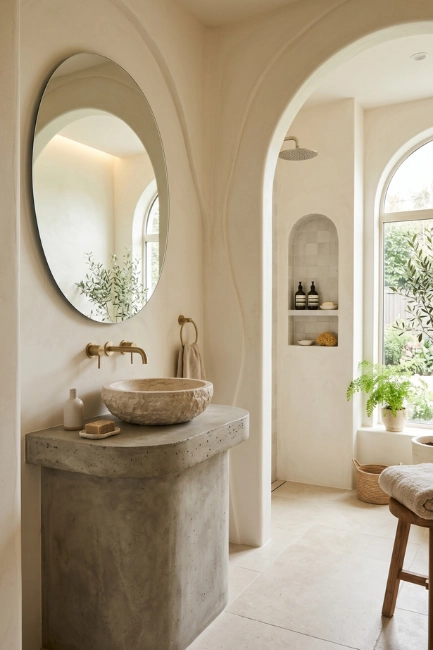
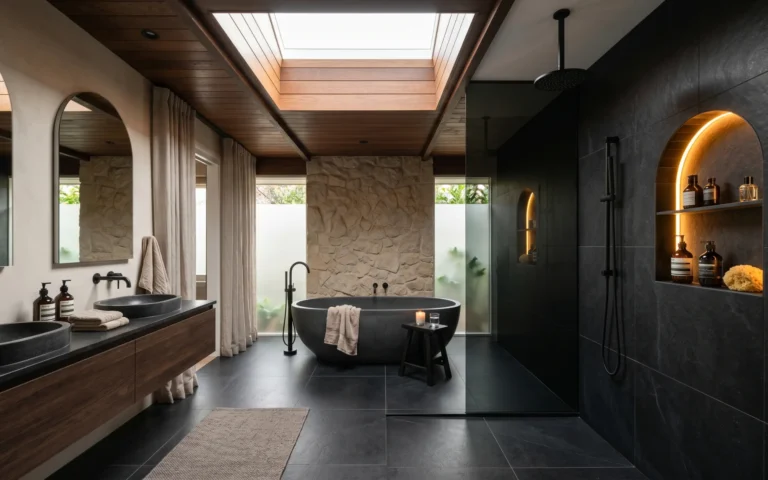
The rigid right angle has its place, but zen bathroom concepts often soften the room with organic, curved forms that feel more natural and inviting. A round freestanding basin. An oval mirror with no frame. An arched niche in the shower wall for products. Curved tile patterns that ripple like water across the floor. These gentle departures from strict geometry introduce a quiet fluidity to the space, a sense that the room moves and breathes rather than standing rigidly still. Organic shapes are psychologically calming, referencing the natural curves of river stones, ocean waves, and the human body itself.
Black and Stone:A Bold Zen Contrast
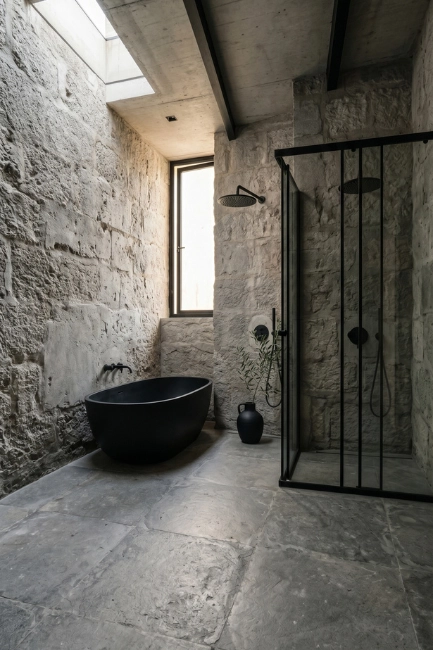
Zen does not always mean soft and pale. Some of the most striking zen bathroom concepts are built on bold contrast, deep matte black against raw natural stone. Black fixtures against a warm limestone wall. A matte black freestanding tub against rough-hewn grey slate. This contrast creates a bathroom of quiet drama, still and intentional, but visually powerful. The key to keeping this palette zen rather than aggressive is restraint in accessories and an abundance of natural light. Let the materials themselves carry the room. Trust the contrast. Do not over-decorate. The tension between dark and natural is the design.
Bamboo, Rattan, and Sustainable Textures
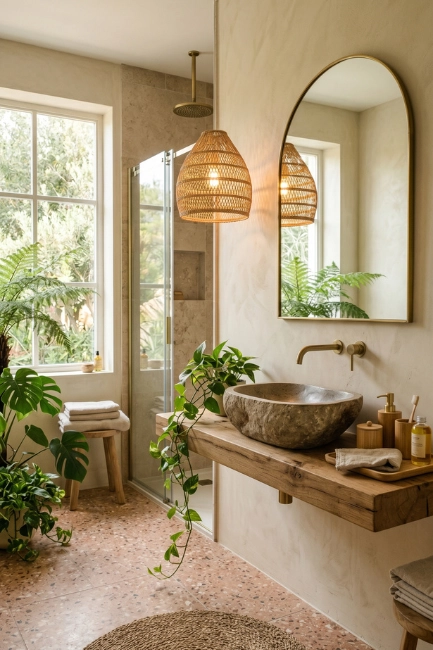
Sustainability and zen design share a deep philosophical alignment. Both ask us to use only what we need and to respect the materials we choose. Bamboo and rattan, two of the most sustainable materials available to interior designers, bring a warm, natural texture to zen bathrooms that synthetic alternatives simply cannot replicate. A rattan laundry basket. Bamboo toothbrush holders. A woven seagrass bath mat. A hanging rattan pendant light overhead. These small, sustainable choices collectively create a bathroom that feels grounded, ethical, and beautifully textured, a space that honors both aesthetic sensibility and environmental responsibility.
Steam Showers and the Architecture of Relaxation
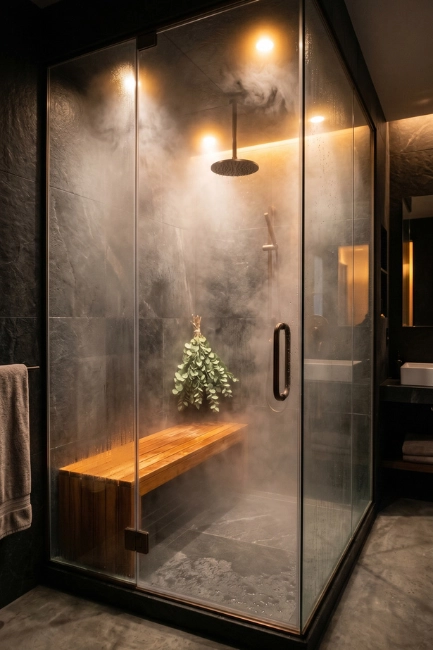
A steam shower is one of the most immersive wellness features you can incorporate into a zen bathroom concepts. Enclosed in glass or stone, with a concealed steam generator, the steam shower transforms a daily ritual into a full sensory experience. The warmth, the moisture, the quiet. It is the closest a home bathroom can come to a private spa. Design the interior of a steam shower in dark stone or pale tile with a built-in bench, a small niche for eucalyptus oil, and a rain-head above. Seal the glass, close the door, and let the steam carry away everything the day has left behind.
Spa-Level Towel and Linen Styling
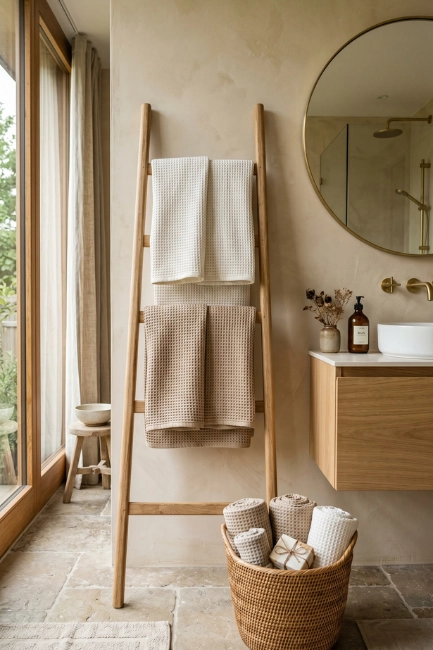
In a luxury zen bathroom concepts, even the towels are part of the design. Thick, high-quality linen or waffle-weave towels in warm neutral tones, aged white, soft oat, warm sand, folded and displayed on a wooden ladder rack or rolled neatly in an open basket communicate a standard of care and intention that elevates the entire space. Avoid bright colors or bold patterns. Let the texture of the fabric carry the visual interest. A simple monogram or no branding at all. When your towels look like they belong in a five-star Japanese ryokan, your bathroom feels like one too.
Mirror as Architecture: Oversized and Intentional
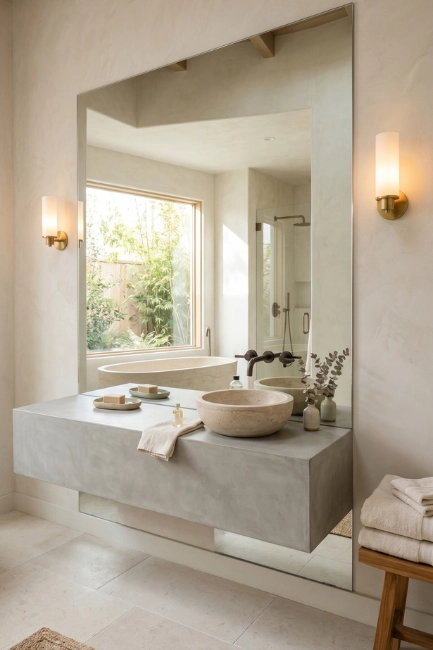
In a zen bathroom concepts, the mirror is never just a mirror. It is an architectural feature, a portal that doubles the light, expands the perception of space, and anchors the entire vanity area with visual confidence. An oversized frameless mirror that runs from countertop to ceiling. A round mirror with a slim brushed brass frame. A custom arched mirror that echoes the curves of the basin below. The mirror’s shape, size, and placement communicate the design philosophy of the entire room. Choose it carefully, hang it with intention, and let it do the work of making the room feel twice as spacious and twice as calm.
Textured Plaster Walls for Raw, Quiet Beauty
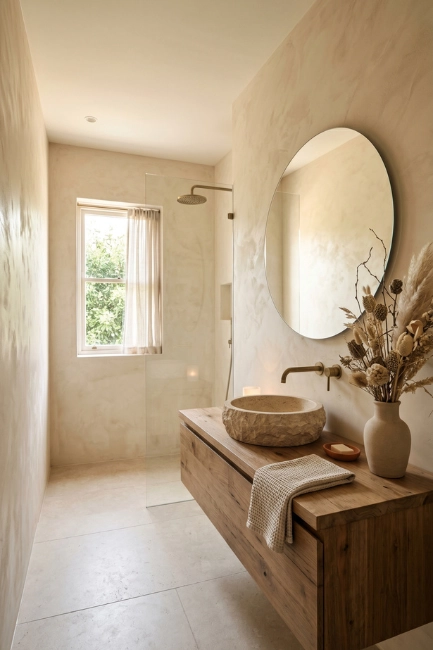
Tadelakt, Venetian plaster, lime wash. Textured plaster finishes have become one of the defining surface treatments of contemporary zen bathroom concepts. Unlike tile or paint, plaster has a living quality. It catches light differently at every hour, develops subtle depth over time, and communicates a handcrafted warmth that manufactured finishes never can. A full bathroom wrapped in warm-toned Venetian plaster feels like a cave, a cocoon, a sanctuary. It removes the visual sharpness of grout lines and tiles and replaces it with one seamless, textured surface that feels both ancient and completely modern.
Zen Bathroom Concepts for Couples
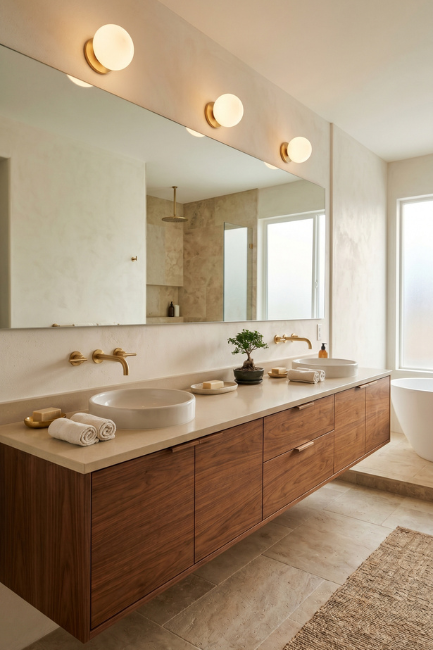
When a bathroom is shared, the design challenge becomes balance, merging two aesthetic sensibilities into one cohesive, calm space. Zen bathroom concepts are actually ideally suited for couples because the philosophy of restraint and intentionality naturally prevents either person’s style from dominating. A double vanity with identical basins keeps the space symmetrical and fair. Shared shelving with clearly defined personal zones. Soft, universal tones that neither overwhelm nor underrepresent either person’s taste. The result is a bathroom that feels less like a compromise and more like a genuine collaboration, a space both people are equally glad to step into every morning.
Seasonal Zen: How to Shift the Bathroom’s Mood
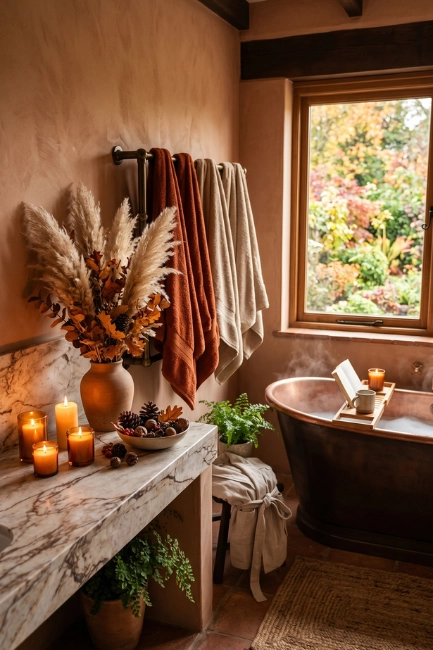
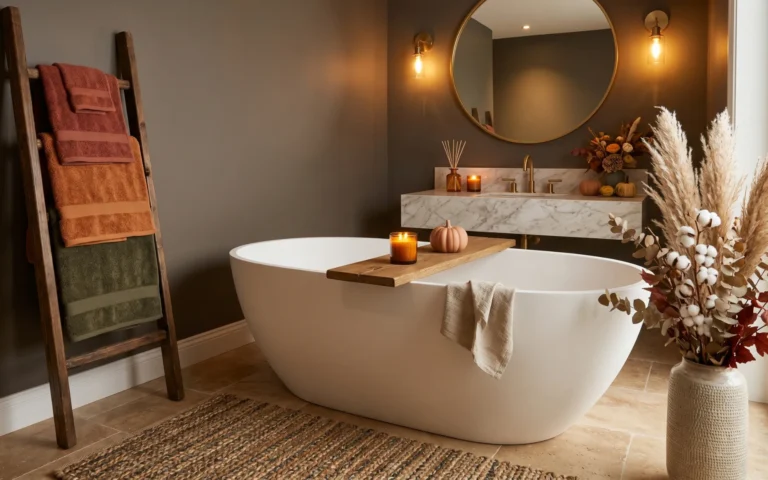
A zen bathroom concepts does not stay static through the year. Small, intentional seasonal shifts keep the space feeling fresh, alive, and deeply connected to the rhythm of nature. In autumn, swap linen towels for thicker cotton ones in warm rust or deep taupe. Add a dried pampas arrangement or a cluster of earthy pinecones on the shelf. In spring, introduce a fresh branch of cherry blossom in a simple vase. In winter, light more candles and layer in a soft bath mat. These shifts require no renovation, only awareness and intention. The bathroom becomes a living reflection of the season outside.
Curating Your Own Zen Bathroom: Where to Begin
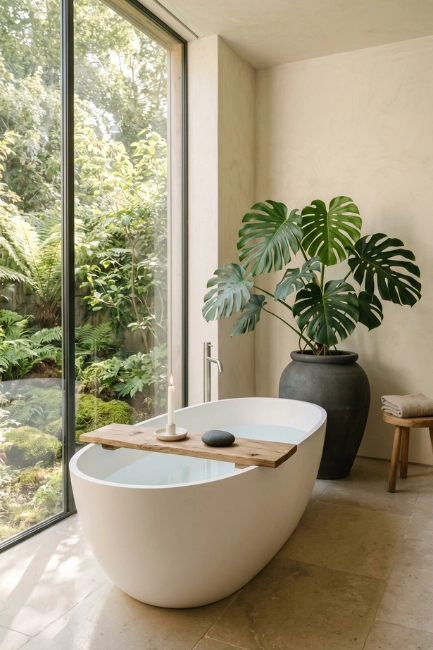
Every zen bathroom starts with a single decision: to choose less. Less clutter, less noise, less ornamentation. From that single decision, everything else follows naturally. Begin with your largest surfaces, walls and floors, and choose materials that feel grounded and natural. Then select your key fixture, a tub, a basin, a shower, and let it be the star. Add warmth through wood and textiles. Add life through a single plant. Add light through considered fixture placement. Then stop. Resist the urge to fill every surface. The empty space is not emptiness. It is breathing room. It is, in the truest sense, the zen itself.
Conclusion
Zen bathroom concepts are not a passing trend. They are a timeless philosophy of living well. When your bathroom is designed with intention, simplicity, and a deep respect for natural materials, it becomes something far more than a functional room. It becomes a daily ritual. A private sanctuary. A space that genuinely restores you. From soaking tubs and stone walls to soft lighting and seasonal shifts, every idea explored in this article points toward the same destination, a bathroom that makes you feel calm the moment you step inside.
At Zendecora, we believe every home deserves spaces like this, designed not for appearance alone, but for the way they make you feel. Let these zen bathroom concepts be the beginning of your most beautiful and intentional interior chapter yet.
Hi friends, its wonderful post about teachingand fully defined, keep it up all the time.
Great post. I used to be checking continuously this blog and I’m impressed!
Extremely helpful info particularly the final section :
) I care for such information much. I was looking for this certain info for a very
long time. Thsnks and good luck.