Beautiful, Smart, and Inspiring Small Room Design Ideas for Every Home
Small room design is one of the most exciting creative challenges in modern interior styling, and the results can be genuinely breathtaking when every inch is used with intention. Whether you live in a compact apartment, a cozy rental, or a studio space, the right approach changes everything. Zendecora is a modern home decor inspiration website that shares only interior styling trends and creative home decor ideas, with no products or services involved. From smart furniture choices to clever storage solutions, this guide brings you the most inspiring small room design strategies available today. Every idea here is practical, beautiful, and completely achievable.
Multi-functional Furniture That Works Harder in a Small Room Design
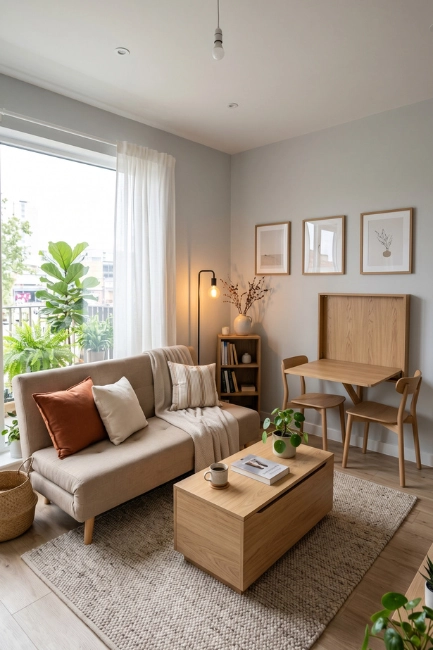
Multi-functional furniture is the foundation of any successful small room design. A sofa that converts into a bed, an ottoman with hidden storage, or a dining table that folds against the wall each serve double duty without consuming valuable floor space. These pieces allow compact rooms to function as living areas, workspaces, and sleeping quarters all at once. Choosing furniture with clean lines and neutral finishes ensures everything feels cohesive rather than cluttered. The key is selecting pieces that solve two or three problems simultaneously while still looking intentional, elegant, and completely styled within the overall room.
Vertical Storage Solutions That Free Up Precious Floor Space
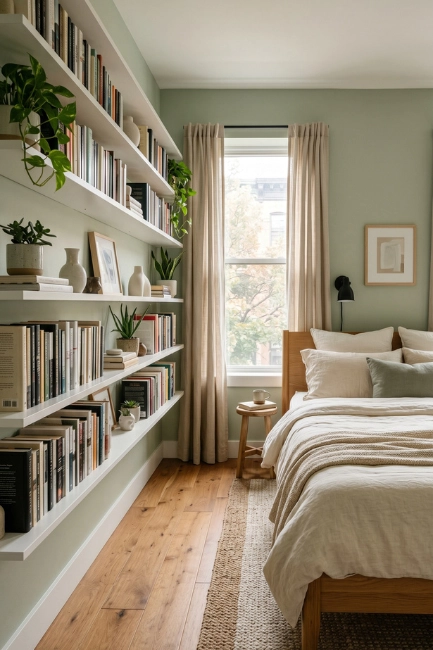
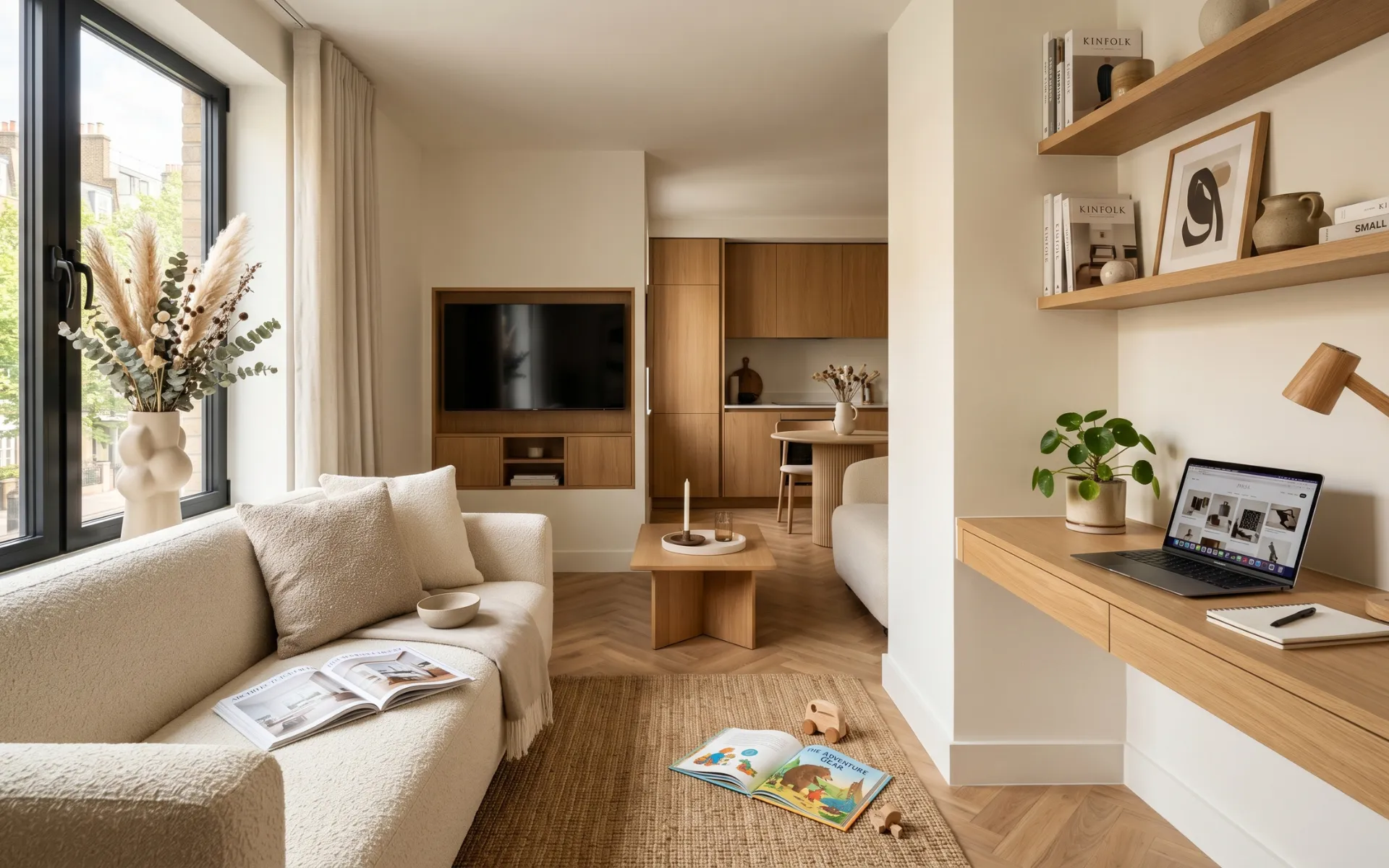
When floor space is limited, the walls become your greatest asset. Tall open shelving units, wall mounted cabinets, and floating ledges draw the eye upward while keeping surfaces clear and organized. Vertical storage works beautifully in living rooms, bedrooms, and kitchens alike, offering display space for books, plants, and decorative objects without crowding the room. Choosing shelves in the same tone as the wall creates a seamless built in appearance that feels intentional and architecturally considered. This approach keeps compact interiors feeling open, airy, and visually spacious rather than overwhelmed by furniture placed across the floor.
Light Color Palettes That Make Any Small Space Feel Larger
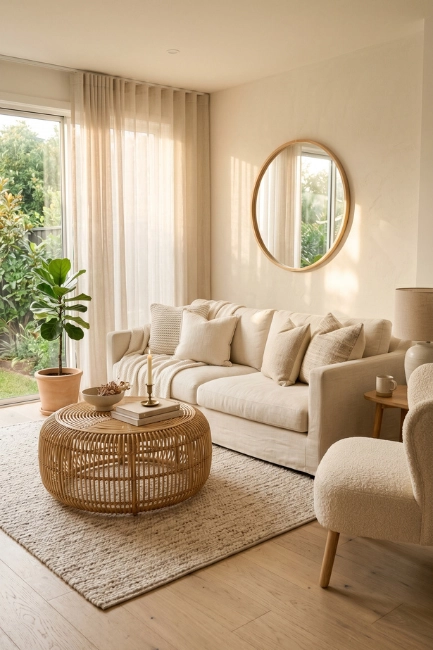
Color is one of the most powerful tools in small space living, and light tones consistently deliver the most impressive visual results. Soft whites, warm creams, pale blush tones, and dusty greiges reflect natural and artificial light more effectively than darker shades, making walls appear to recede and ceilings feel higher. Using a tonal approach where walls, trim, and larger furniture pieces share a similar color family creates a quiet seamless environment that feels genuinely expansive. Layering in texture through cushions, throws, and rugs adds warmth and depth without introducing visual noise or unnecessary color contrast throughout the space.
Strategic Mirror Placement for Visual Expansion in Compact Rooms
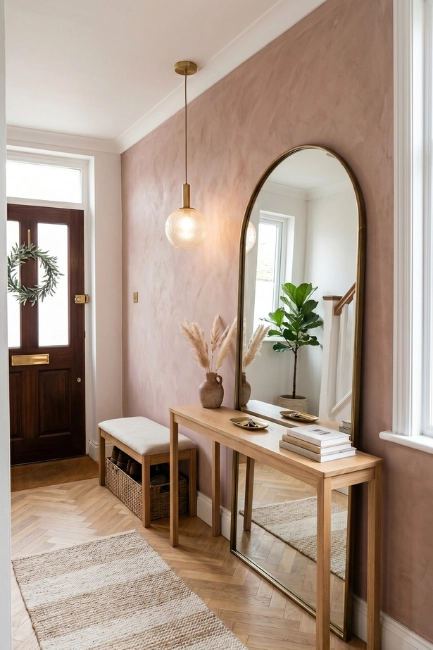
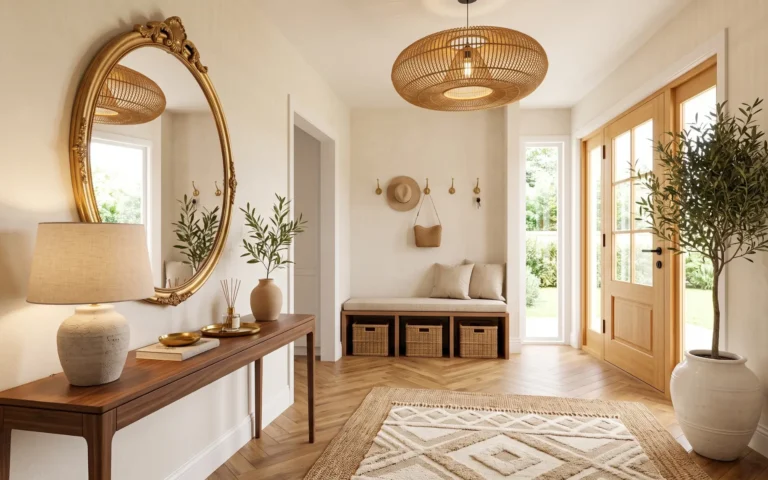
Mirrors are among the most effective and affordable tools for making a compact room feel significantly larger than it actually is. A large mirror positioned opposite a window doubles the amount of natural light bouncing around the room while creating the illusion of additional depth and square footage. Leaning an oversized mirror against a wall rather than hanging it adds a relaxed editorial quality to the space. Grouping smaller mirrors in an asymmetric arrangement works equally well in rooms where a single large piece feels too dominant or visually heavy for the wall.
Smart Furniture Placement That Opens Up a Small Room Design
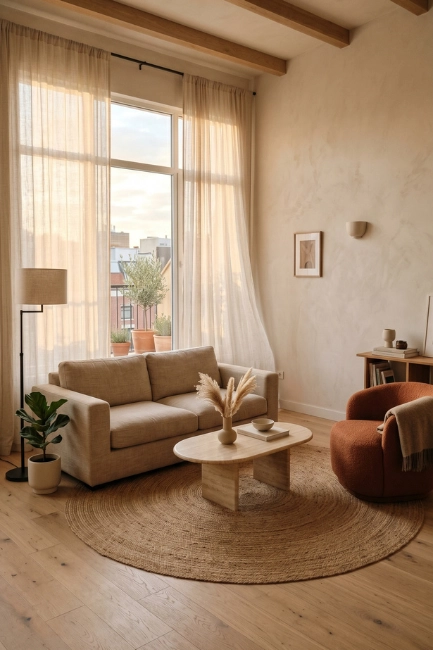
How furniture is arranged within a room matters just as much as which pieces are chosen. In a small room design, floating furniture slightly away from walls rather than pushing everything to the perimeter creates a more intentional and breathable layout. Anchoring seating around a central rug defines the living zone clearly without requiring physical barriers. Keeping the main walking path through the room completely clear prevents the space from feeling cramped or difficult to navigate. Choosing furniture with exposed legs rather than pieces that sit flush to the floor also helps maintain a sense of visual openness throughout the room.
Studio Apartment Inspiration With Defined Zones and Open Flow
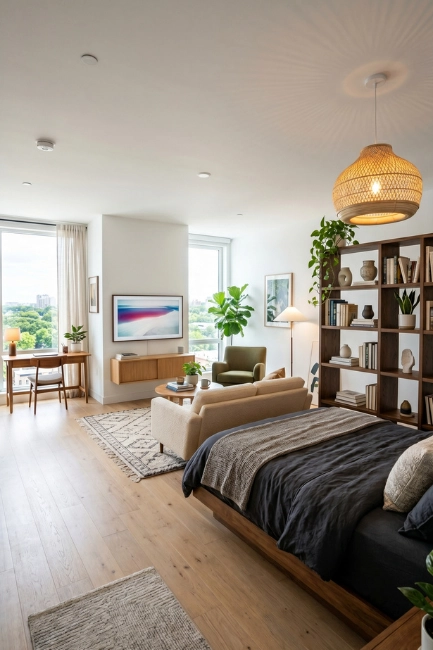
A studio apartment presents a unique small room design challenge because a single open space must function as a bedroom, living room, and often a workspace all at once. Defining distinct zones using rugs, lighting changes, and furniture arrangement rather than physical walls keeps the space feeling open while still giving each area a clear purpose. A bookshelf used as a partial room divider between the sleeping and living zones adds both storage and subtle architectural definition. Keeping the overall palette consistent across all zones ties the entire studio together into one cohesive and beautifully considered interior environment.
Hidden Storage Concepts That Keep Small Spaces Neat and Organized
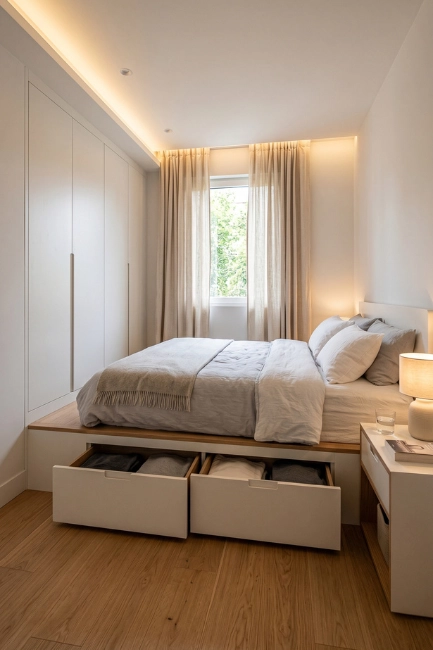
Clutter is the greatest enemy of a well styled compact interior, and hidden storage is the most elegant solution available. Beds with built in drawers underneath, benches with lift top lids, and side tables with enclosed shelving all provide generous storage without adding visual bulk to the room. In living spaces, media units with closed door cabinetry keep electronics and everyday items completely out of sight. The goal is to maintain a clean and considered surface throughout the room so the eye can move freely across the space without landing on disorder or unnecessary visual interruptions.
Minimalist Small Room Aesthetics That Feel Calm and Considered
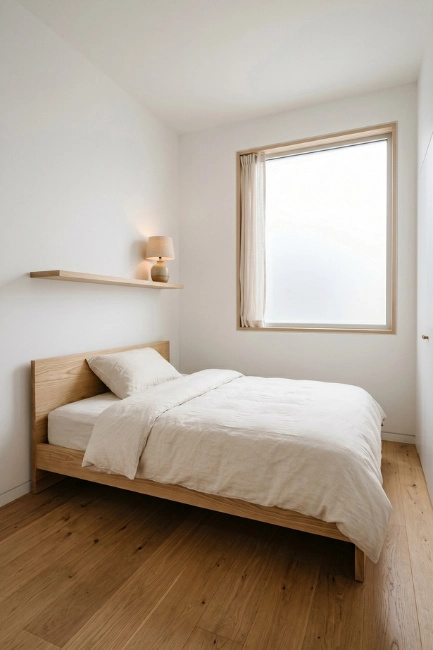
Minimalism and small space living are a natural pairing because both philosophies prioritize intention over accumulation. A minimalist small room design keeps surfaces clear, limits decorative objects to only those that genuinely add to the space, and favors quality over quantity in every furniture and textile choice. Neutral palettes, simple silhouettes, and thoughtful negative space all contribute to a room that feels calm rather than sparse. The most successful minimalist interiors still feel warm and livable because texture does the work that color and pattern would otherwise handle in more maximalist small room design approaches.
Cozy Reading Corners That Maximize Overlooked Small Spaces
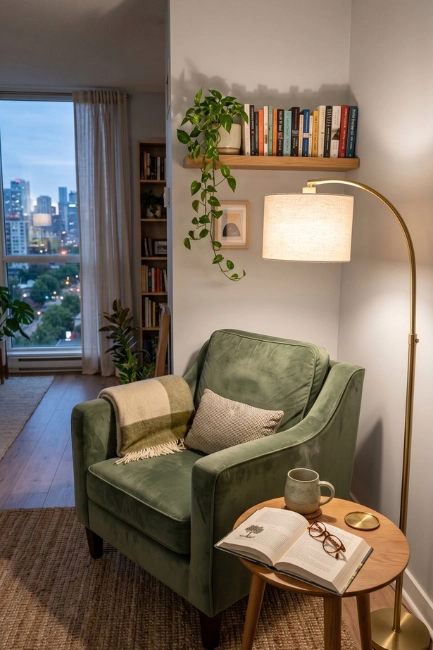
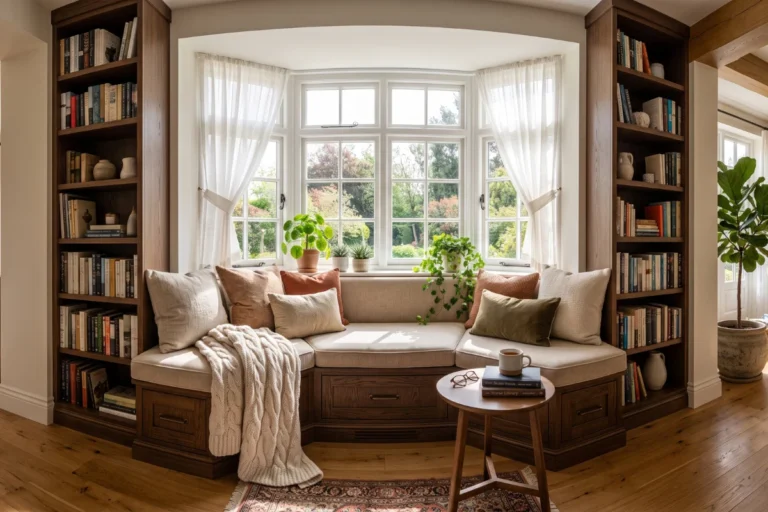
Every compact home has at least one underused corner that could become a genuinely inviting and functional reading nook. A comfortable armchair positioned beside a floor lamp, a small side table for a coffee cup, and a floating shelf for books above transform a forgotten corner into the most charming spot in the entire home. Adding a soft rug beneath the chair and a textured throw draped over the armrest completes the layered cozy feeling. These small room ideas prove that even the tightest spaces can hold a dedicated area for rest, reading, and quiet enjoyment throughout the day.
Space Saving Shelving That Combines Storage and Style Effortlessly
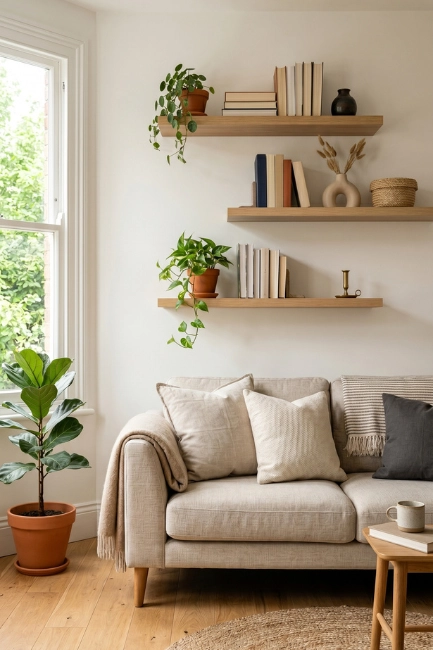
Shelving in a compact interior should always work on two levels simultaneously, providing practical storage while also contributing to the overall visual character of the room. Open shelves styled with a mix of books, small plants, ceramic objects, and woven baskets create a curated display that feels personal and intentional rather than purely functional. Floating shelves installed in an asymmetric arrangement add architectural interest to plain walls without requiring any floor space at all. Keeping the styling on each shelf relatively restrained ensures the overall effect reads as considered and elegant rather than busy or overwhelming within the room.
Natural Light Strategies That Brighten Every Corner of a Small Room
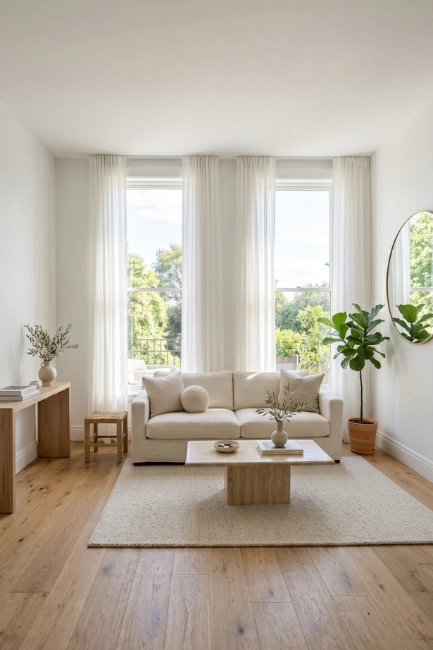
Natural light is one of the most valuable assets in any small room design, and maximizing it requires both practical and decorative thinking. Keeping window treatments light and sheer rather than heavy and dark allows the maximum amount of daylight to fill the room throughout the day. Positioning mirrors to catch and reflect incoming light multiplies its reach across the space significantly. Avoiding tall furniture pieces directly in front of windows ensures light can travel freely across the floor and walls. Even painting window frames and surrounding walls in the same pale tone helps light move seamlessly throughout the entire room.
Neutral Room Styling That Feels Elegant Without Feeling Empty
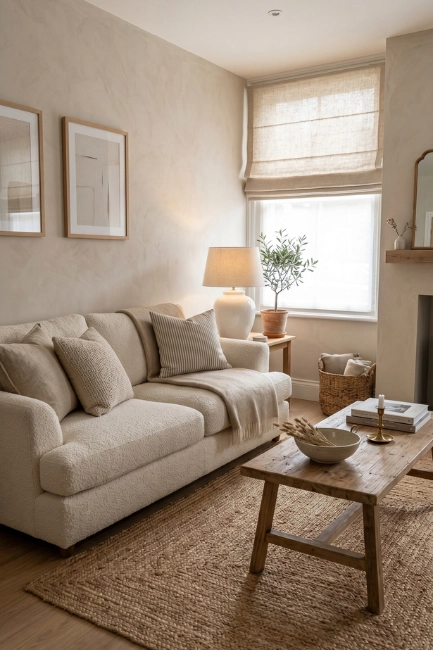
A neutral palette done well is one of the most sophisticated approaches to compact room ideas because it creates a sense of quiet luxury that feels effortless and enduring. The key to preventing a neutral room from feeling flat or lifeless lies entirely in texture variation. Linen cushions, a chunky knit throw, a smooth ceramic lamp base, a woven jute rug, and a timber side table each bring a different material quality to the same tonal palette. This layering of textures within a restrained color story gives the room genuine warmth and visual richness without requiring a single bold color choice anywhere throughout the space.
Modern Apartment Decor That Balances Function and Visual Appeal
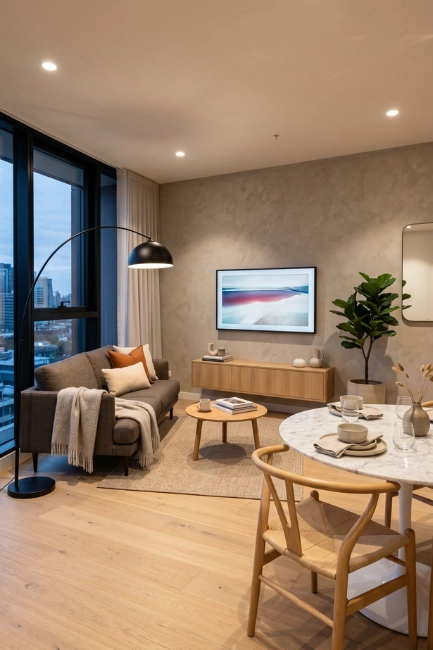
Modern apartment decor in a compact space works best when function is never sacrificed for aesthetics and aesthetics are never sacrificed for function. Every furniture piece should earn its place by contributing both practically and visually to the overall room. Sleek low profile sofas, wall mounted televisions, slim profile dining tables, and pendant lighting that draws the eye upward all serve the dual purpose of looking beautiful while keeping the room feeling open. Incorporating one or two considered statement pieces such as a sculptural lamp or an architectural chair prevents the space from feeling too safe or overly restrained in its overall small room design approach.
Small Room Design Lighting Strategies That Create Depth and Warmth
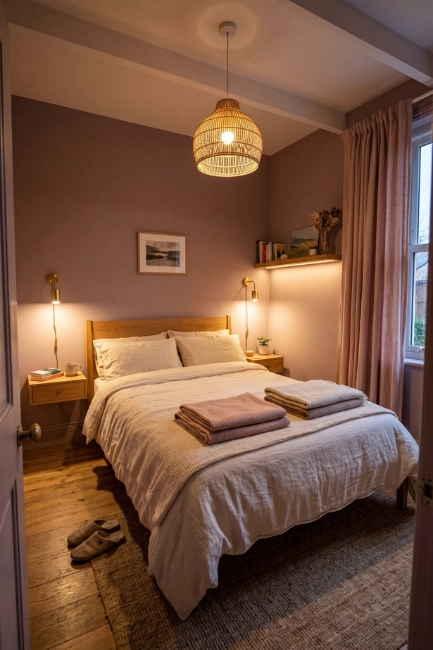
Lighting in a compact interior does far more than simply illuminate the space. The right lighting strategy creates atmosphere, defines zones, adds warmth, and makes the room feel larger and more considered overall. Layering three types of lighting including ambient, task, and accent sources ensures no single corner feels dark or forgotten. Wall sconces free up surface space that a table lamp would otherwise occupy. A pendant light or chandelier draws the eye upward and adds a sense of ceiling height. Warm bulb tones between 2700K and 3000K consistently create the most inviting and flattering atmosphere in any small room design.
Corner Optimization Ideas That Turn Dead Zones Into Useful Areas
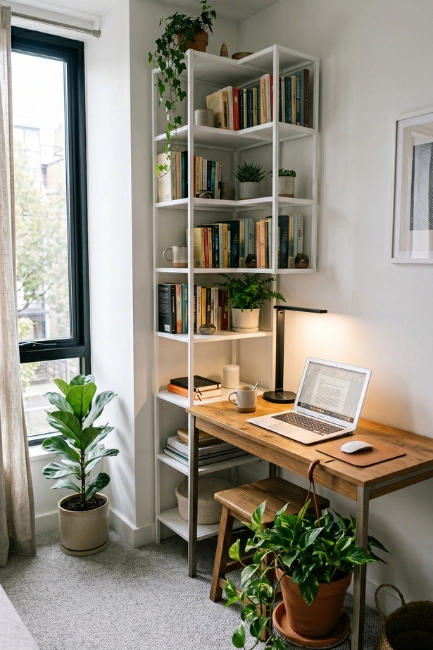
Corners are consistently the most underused areas in any compact interior and yet they hold tremendous potential for both storage and styling. A tall corner shelf unit provides generous vertical storage without consuming central floor space. A small corner desk transforms an otherwise empty angle into a fully functional compact workspace. Even a simple floor lamp positioned in a corner with a trailing plant beside it creates a layered and visually interesting vignette that draws the eye naturally toward that part of the room. Treating every corner as an opportunity rather than a problem fundamentally changes how a small space feels and functions on a daily basis.
Open and Airy Room Concepts Built Around Breathing Space
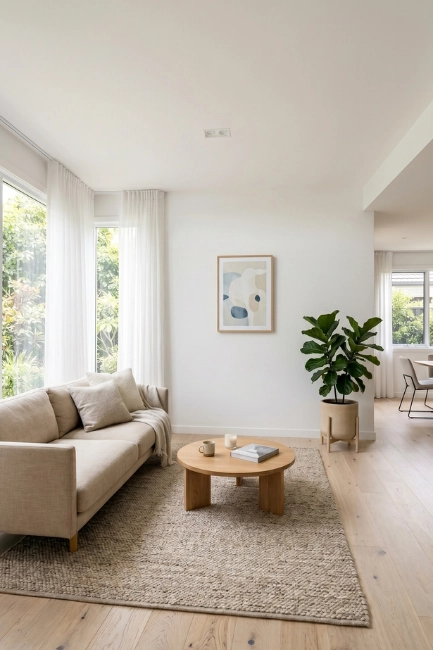
One of the most common mistakes in small space living is filling every available surface and corner with furniture or decor in an attempt to make the room feel complete. In reality, negative space is one of the most powerful small room design tools available in a compact interior. Leaving deliberate gaps between furniture pieces, keeping walls relatively bare, and resisting the urge to fill every shelf creates a room that feels intentional, calm, and genuinely spacious. An open and airy approach to compact room ideas always photographs beautifully and feels just as impressive to live inside on a daily basis throughout every season.
Foldable Furniture Solutions for Maximum Flexibility in Tight Spaces
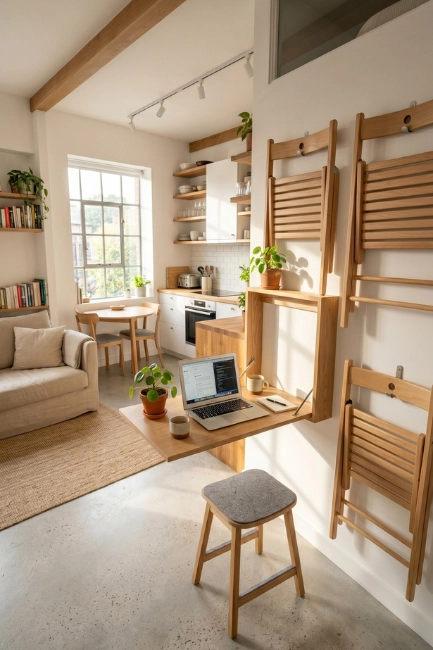
Foldable and collapsible furniture gives compact interiors a level of flexibility that fixed pieces simply cannot match. A wall mounted fold down desk can disappear completely when not in use, returning the room to an open living space within seconds. Folding dining chairs stored flat against the wall take up a fraction of the space required by traditional seating. A collapsible clothes rack used seasonally and then stored away prevents the bedroom from feeling permanently cluttered. These practical solutions are particularly valuable in studio apartments and single room rentals where one space must serve many different functions across the course of a single day.
Compact Workspace Integration That Keeps Productivity Stylish
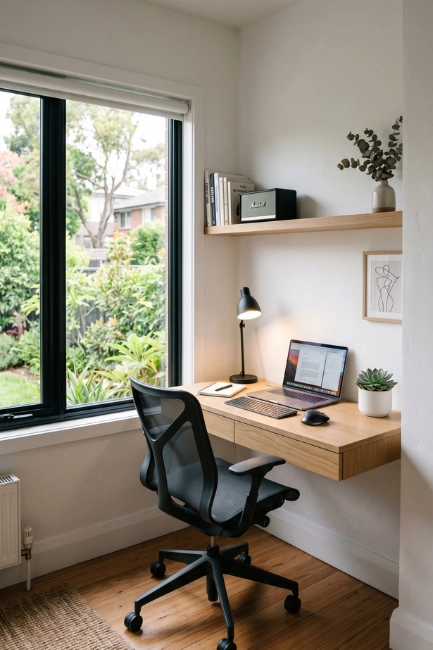
Working from home in a compact interior requires a dedicated workspace that feels considered and calm without consuming a disproportionate amount of the available floor area. A slim wall mounted desk with a single shelf above keeps the footprint minimal while still providing everything needed for a productive and comfortable work session. Positioning the desk beside a window takes advantage of natural daylight and creates a pleasant view that reduces the fatigue of long working hours. Keeping the desk surface clear except for a laptop, a small lamp, and one or two personal objects maintains the overall tidiness of the surrounding room effortlessly.
Elegant Small Room Design With Considered Decorative Accents
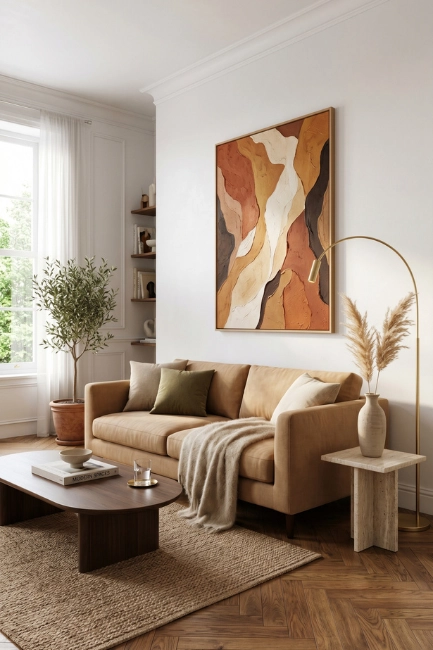
Elegance in a small space design comes from restraint rather than abundance. Choosing three to five genuinely beautiful decorative objects and giving each one breathing room to be fully appreciated creates a far more sophisticated result than covering every surface with collections of smaller pieces. A single large format artwork on the main wall, one statement ceramic vase with dried stems, and a carefully chosen coffee table book create a curated and confident interior that feels intentional from every angle. Decorative accents in a compact room should always feel like they were chosen with purpose rather than gathered over time without a clear vision.
Cozy Room Inspiration That Proves Small Can Always Feel Beautiful
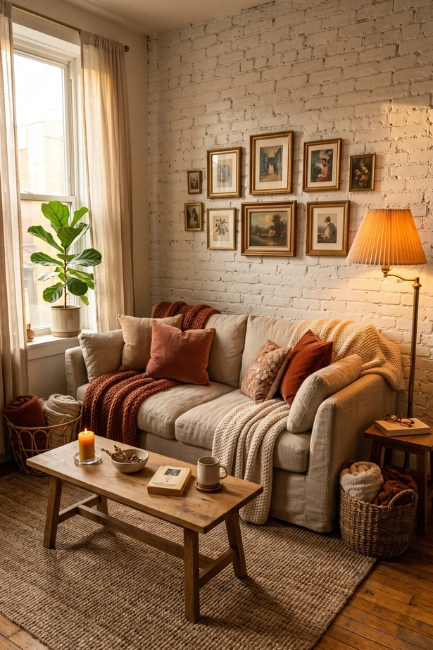
There is a persistent misconception that small rooms are a compromise when in reality they offer a unique and deeply rewarding opportunity to create spaces that feel genuinely intimate, warm, and beautifully personal. The coziest interiors in the world are rarely the largest ones. Layered textiles, warm lighting, meaningful personal objects, and a carefully considered color palette work together to create a room that wraps around you rather than simply containing you. Every small room design choice made with care and intention contributes to an overall atmosphere that larger spaces often struggle to replicate regardless of how generously they are furnished or decorated.
Conclusion
Small room design is not about working around limitations. It is about discovering how much beauty, function, and personality can be packed into every single square foot of a space that truly matters to the people living inside it. From multifunctional furniture and vertical storage to layered lighting and considered decorative accents, every strategy explored in this article proves that compact living can be just as elegant and inspiring as any large scale interior. At Zendecora, the belief has always been that great design is not determined by size but by intention, creativity, and the willingness to see possibility in every corner of your home.